 Search
Efficiency is a key consideration in modern hydraulic systems, particularly as industries aim to reduce energy consumption and operating costs. The PV2R series vane pump is designed to deliver stable volumetric efficiency through its balanced vane structure. This design helps reduce internal leakage and maintain consistent flow output under varying load conditions.
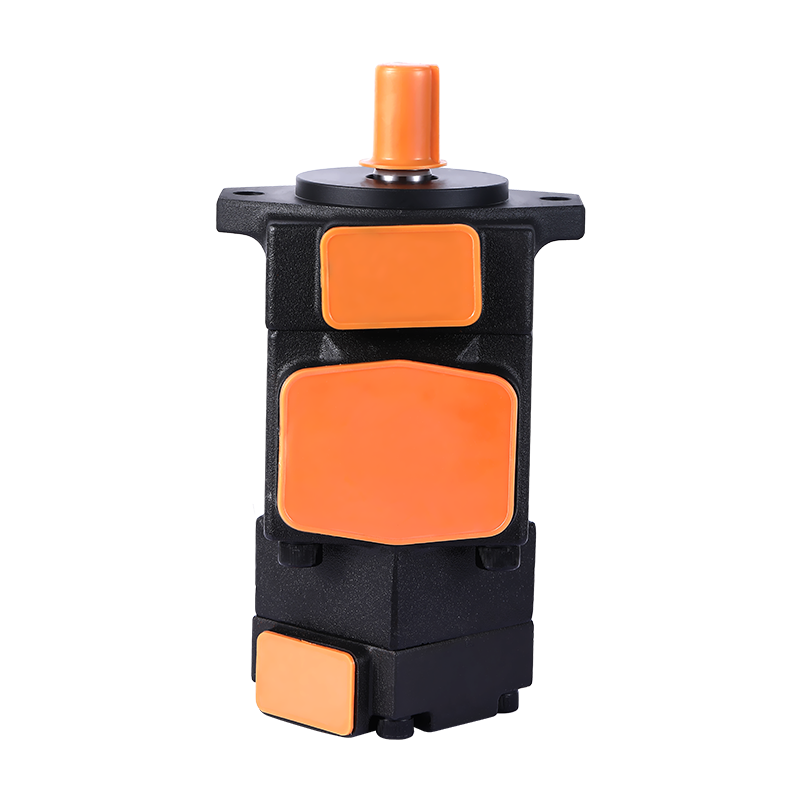
The pump's internal components, such as the cam ring and vanes, are precision-machined to minimize friction and wear. As a result, the PV2R series can maintain reasonable efficiency over long operating periods when properly maintained. Compared with older vane pump designs, PV2R pumps typically show improved performance in terms of flow stability and pressure control.
However, efficiency is influenced by system conditions such as oil cleanliness, temperature, and viscosity. Inadequate lubrication or contaminated hydraulic fluid can reduce efficiency and accelerate component wear. Therefore, regular monitoring of hydraulic oil quality and operating parameters is essential to achieve efficiency.
What Are the Common Applications and Limitations?
The PV2R series vane pump is suitable for a range of industrial and mobile applications, but users often ask where it performs better and where limitations may arise.
Common Applications:
PV2R vane pumps are widely used in machine tools, injection molding machines, die-casting equipment, and industrial presses. They are also applied in construction machinery and agricultural equipment where stable hydraulic output is required.
Pressure and Load Limitations:
While the PV2R series supports medium-pressure operation, it may not be suitable for ultra-high-pressure systems where piston pumps are more appropriate. Exceeding recommended pressure limits can bring about reduced service life.
Fluid Compatibility:
These pumps are designed primarily for mineral-based hydraulic oils. Using incompatible fluids without proper evaluation may affect seals and internal components.
Understanding both the strengths and limitations of the PV2R series helps users select the right pump for their specific application.
How to Maintain PV2R Series Vane Pumps Properly?
Maintenance is a frequent topic of interest because it directly affects pump lifespan and reliability. Proper maintenance practices can significantly reduce downtime and operating costs.
Hydraulic Oil Quality
Maintain clean hydraulic oil with appropriate viscosity. Use filters that meet the recommended filtration standards to prevent particles from entering the pump.
Regular Inspection
Check for abnormal noise, vibration, or temperature rise. These can be early indicators of internal wear or misalignment.
Seal and Leakage Monitoring
Inspect seals regularly for signs of leakage. Early replacement of worn seals can prevent larger failures.
Operating Condition Control
Ensure that the pump operates within specified pressure, speed, and temperature ranges. Avoid frequent overloading or sudden pressure spikes.
Following these steps helps maintain stable performance and extends the service life of the PV2R series vane pump.
What Are the Noise and Reliability Characteristics?
Noise and reliability are closely linked concerns in hydraulic systems, particularly in industrial environments where operator comfort and equipment longevity are important.
Low Noise Operation:
The balanced vane design of the PV2R series helps reduce pressure pulsation and vibration, contributing to relatively low noise levels compared with some gear pumps.
Stable Output:
Consistent flow delivery improves system responsiveness and reduces stress on downstream components.
Reliability Factors:
Reliability depends on correct installation, alignment, and oil cleanliness. When these conditions are met, PV2R pumps typically provide stable and predictable performance.
Service Life Considerations:
While vane pumps generally have lower pressure capability than piston pumps, they offer a good balance of performance and durability for medium-duty applications.
