
 Search
Selecting a YB1 series vane pump for hydraulic system requires more than choosing a model name from a catalog. Instead, it helps to compare the available variants, understand how their characteristics affect system performance, and match those traits to the application’s operating conditions. YB1 series vane pumps are commonly used in industrial and mobile hydraulics because of their consistent flow output, relative simplicity, and capacity to work across a range of pressures and speeds.
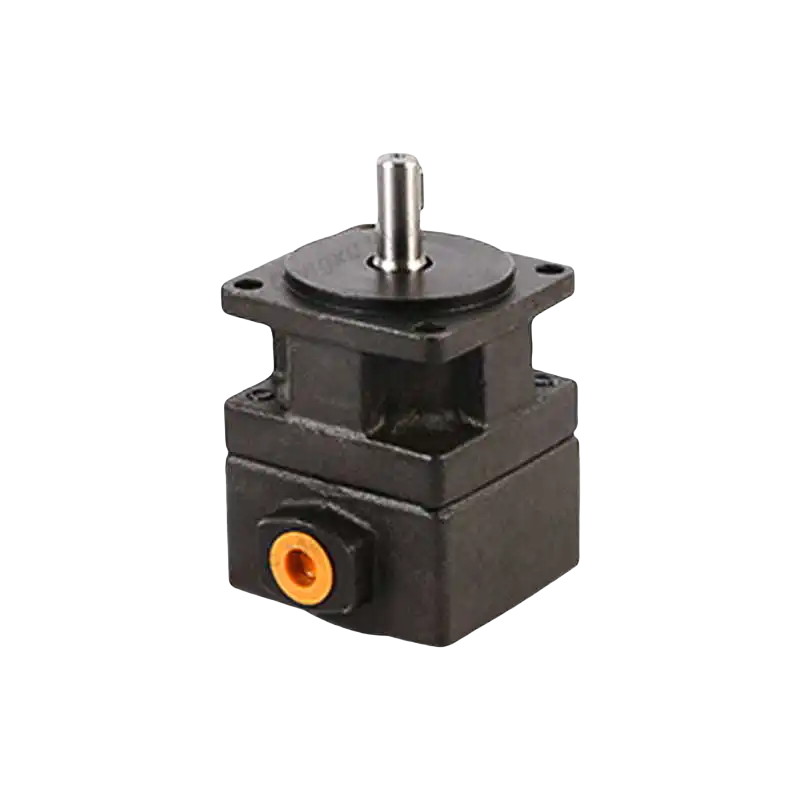
YB1 series variants and key features
Manufacturers typically offer YB1 pumps in several displacements and with optional features. Displacement (cc/rev or in³/rev) determines the theoretical flow at a given shaft speed, so selecting the right displacement is central to meeting a system’s flow requirement without overworking the drive motor. Common variants also differ in:
Rated pressure — some models are rated for continuous working pressures typical of general hydraulic circuits, while others are built to tolerate higher peak pressures. Choose a rating that safely exceeds the system’s expected working pressure, including shock spikes.
Relief or compensator options — pumps may be supplied with an internal pressure relief or combined with external compensator controls. Systems with integrated pressure control needs may prefer compensator-equipped units.
Shaft type and mounting — keyed shafts, splined shafts, or tapered shafts are common; in addition, flange styles and bolt patterns vary. Ensure mechanical compatibility with the prime mover and the installation envelope.
Porting and connection sizes — inlet and outlet port sizes affect suction performance and plumbing choices. Pumps with larger inlets reduce cavitation risk when suction conditions are marginal.
Noise and wear features — some versions include tighter manufacturing tolerances, specialized vane materials, or improved housings designed to reduce noise and extend life in continuous operation environments.
Sealing and material options — seals and internal materials better suited to high temperatures, abrasive fluids, or specific hydraulic fluids (e.g., phosphate esters) should be chosen when the application demands them.
Matching pump characteristics to the application
To make a practical selection, begin with the hydraulic requirements: maximum system pressure, required flow at operating speed(s), and acceptable operating speed range for the pump. For example, a production press that needs steady high pressure at low speed will require a pump with good low-speed volumetric efficiency and robust shaft support; by contrast, a vane pump for a machine tool coolant circuit may prioritize moderate pressure, moderate flow, and low noise.
Consider the fluid: viscosity, temperature, and contamination level all affect how a vane pump performs. Viscous fluids reduce volumetric losses but increase power draw; thin fluids increase leakage and reduce efficiency. If the operating environment tends to be dirty, select a pump with generous inlet ports and recommend a suction strainer and routine filtration to extend pump life.
Duty cycle and runtime matter. For intermittent duty, a simpler, lower-cost YB1 model may be acceptable. For continuous operations, consider variants with enhanced bearings, better vane materials, or designs that allow easier maintenance. Pumps intended for variable-speed drives should be checked for compatibility with the motor control range and for any need to adjust displacement to avoid cavitation or overheating at low speed.
Installation, commissioning, and serviceability
Proper installation affects pump longevity as much as model choice. Provide sufficient inlet line size and minimize suction line length and bends to reduce cavitation. Use correct hydraulic fluid and maintain recommended filtration levels. During commissioning, observe temperature rise and inlet vacuum; excessive inlet vacuum or high fluid temperatures are signs to revisit the installation or pump selection.
Serviceability is often underestimated. Choose YB1 models that allow vane inspection, replacement, and straightforward bearing checks if the environment requires frequent maintenance. Availability of spare parts and local service support can be decisive in total cost of ownership, especially in remote or high-throughput operations.
Safety margins and practical considerations
Always include safety margins in pressure, flow, and temperature specifications. Select a pump whose continuous ratings exceed the system’s typical requirements to provide buffer against unexpected transients. Balance initial purchase price against expected service intervals and energy consumption: a lower-efficiency pump may cost less upfront but raise operating costs and maintenance over time.
