 Search
Purchasing a hydraulic pump for industrial machinery involves more than comparing quotations and product descriptions. Buyers need to verify technical compatibility, manufacturing consistency, quality inspection procedures, and the supplier's ability to meet project requirements. Missing documentation can create uncertainty during equipment integration, incoming inspection, and future replacement planning.
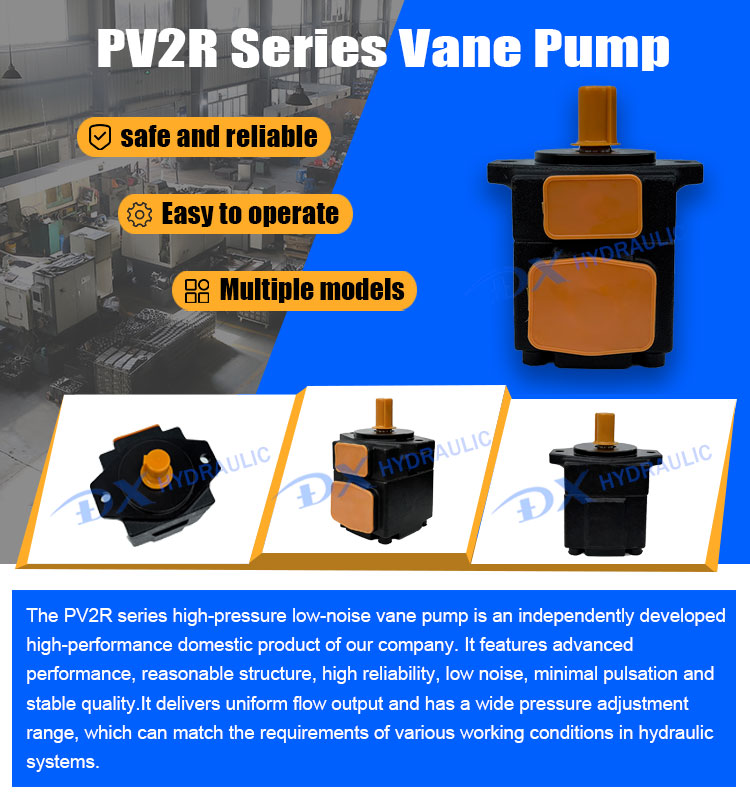
At Dengxu, we work with industrial equipment manufacturers, distributors, and OEM customers to clarify hydraulic pump specifications before an order is confirmed. Our industrial vane pump range includes V series configurations designed for applications requiring low-noise operation and defined hydraulic output. Reviewing the right documents helps purchasing teams evaluate whether a proposed model fits their equipment and commercial requirements.
1. Technical Datasheets: Confirm the Operating Parameters
A technical datasheet provides the basic information needed to compare pump models. Buyers should check the actual model designation and its rated operating conditions rather than relying on a general product category or headline description.
Our V series product information includes different displacement options, operating pressure data, rotational speed limits, and product weights, depending on the configuration. For example, the published 35VQ specifications list geometric displacements from 53.3 to 142 mL/rev, with peak pressure ratings that vary by displacement code.
Before approving a quotation, confirm the following:
- Displacement: Check the required flow capacity against the specified shaft speed.
- Pressure rating: Verify the applicable pressure limit for the exact model and operating conditions.
- Rotational speed: Confirm that the intended drive speed falls within the documented range.
- Fluid compatibility: Check the permitted hydraulic fluid type and viscosity requirements.
- Product dimensions and weight: Confirm the available installation space and equipment handling requirements.
A complete datasheet allows engineering and purchasing teams to compare quotations using the same technical criteria.
2. Dimensional Drawings: Verify Installation Compatibility
Two pumps may have similar flow ratings but different mounting interfaces. A mismatch in shaft geometry, flange dimensions, or port positions can require changes to the machine design and hydraulic piping.
At Dengxu, we recommend reviewing dimensional drawings before confirming a new pump or replacement unit. Pay particular attention to these details:
- Mounting flange dimensions and bolt-hole positions.
- Shaft diameter, keyway or spline specifications, and coupling compatibility.
- Inlet and outlet port sizes and locations.
- Overall pump dimensions and installation clearance.
- Required rotation direction and the corresponding model designation.
For OEM projects, buyers can provide equipment drawings or existing pump measurements so the proposed configuration can be checked against the intended installation.
3. Quality Inspection Records: Understand What Is Verified
Quality claims are more useful when supported by inspection procedures and documented results. Buyers should ask suppliers which characteristics are inspected during production and which tests are performed on completed pumps.
Depending on the supplier's quality system and the product specification, relevant records may include:
- Incoming material inspection: Records for applicable materials and purchased components.
- Dimensional inspection: Measurements of specified components and critical interfaces.
- Assembly inspection: Checks covering assembly procedures and relevant fitting requirements.
- Performance testing: Applicable test results for pressure, flow, leakage, or other specified operating characteristics.
- Traceability records: Available batch, serial number, or production information for identifying the supplied goods.
Inspection requirements vary by model and order. Our team can discuss the available quality documentation and the checks applicable to the requested pump configuration.
4. Supplier Capability Documents: Clarify Manufacturing and OEM Support
Industrial buyers may require standard products, replacement units, or customized configurations. Reviewing supplier capability information helps establish whether the proposed cooperation fits the project's technical scope.
Useful documents and information include:
- Company and manufacturing capability profiles.
- Available production and inspection equipment information.
- OEM customization procedures and drawing approval requirements.
- Product catalogues and model-selection documentation.
- Applicable quality management certificates, including their scope and validity where relevant.
At Dengxu, our product portfolio includes vane pumps, gear pumps, hydraulic valves, piston pumps, and related hydraulic components. We also support OEM discussions based on customer drawings or samples, subject to technical evaluation and confirmation.
5. Commercial Documents: Make Quotations Comparable
Technical compatibility is only one part of the purchasing process. Commercial terms should also be clear enough for buyers to evaluate the total order requirements and plan delivery.
| Document or item | What buyers should verify |
| Quotation | Exact model, quantity, unit price, currency, and quotation validity |
| Purchase specification | Confirmed technical parameters, accessories, and customization details |
| Delivery terms | Production schedule, shipping method, destination, and agreed trade terms |
| Packaging information | Protection method, labeling, and export packaging requirements |
| Warranty terms | Coverage, exclusions, claim procedures, and supporting evidence |
Requesting comparable information from each shortlisted supplier makes it easier to assess the commercial offer without overlooking important differences in scope.
6. Prepare a Document Checklist Before Ordering
Our purchasing and engineering contacts can use the following checklist to organize a supplier review:
- Technical datasheet for the exact pump model.
- Dimensional drawing and shaft-interface details.
- Applicable inspection and performance test documentation.
- Available quality certificates and relevant scope information.
- Written confirmation of OEM requirements and approved specifications.
- Quotation, packaging details, delivery terms, and warranty conditions.
Not every order requires the same documentation package. Buyers should define the required records according to application risks, customer standards, and contractual obligations.
Work With Dengxu on Your Hydraulic Pump Requirements
Comparing industrial pump suppliers becomes more straightforward when technical specifications, dimensional compatibility, quality evidence, and commercial terms are reviewed together. These documents help purchasing teams identify unanswered questions before production or shipment and provide a clear reference for future replacement orders.
At Dengxu, we support industrial buyers, distributors, and OEM customers with product information and configuration discussions for our V series and other hydraulic pump options. Contact our team with your required displacement, working pressure, shaft speed, installation drawings, and purchasing requirements to discuss suitable models and the documentation available for your project.
