
 Search
The working principle of a hydraulic variable vane pump involves a rotor equipped with vanes that move within an eccentric cam ring. As the rotor turns, the vanes slide out due to centrifugal force, creating chambers that draw in fluid and then expel it under pressure. The variable displacement aspect of the pump is achieved by adjusting the angle of the cam ring or the position of the vanes. This adjustment changes the volume of fluid that is displaced during each cycle, allowing the system to increase or decrease flow based on demand. The ability to control displacement provides the pump with versatility, making it ideal for applications with fluctuating load requirements.
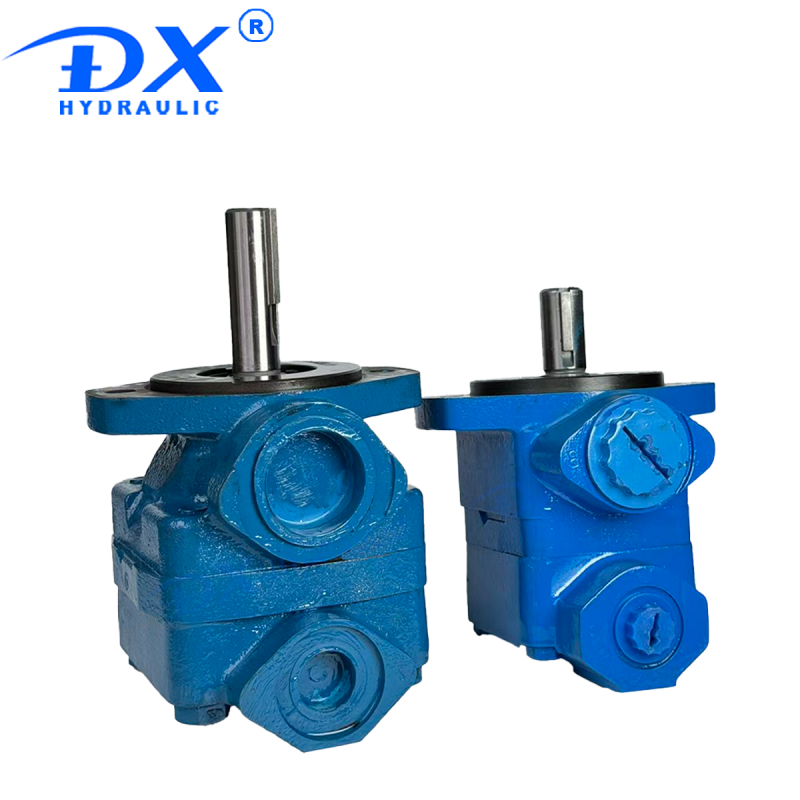
Applications of Hydraulic Variable Vane Pumps
Hydraulic variable vane pumps are used in various applications, particularly where fluid flow needs to be dynamically adjusted based on system demand. One of the common uses is in mobile machinery such as excavators, cranes, and loaders, where the flow of hydraulic fluid must be adjusted for different tasks like lifting, digging, or driving. These pumps are also used in automotive power steering systems, industrial presses, and hydraulic elevators, where precise fluid control is necessary to ensure smooth operation. In these applications, the ability to vary the flow of fluid helps optimize system performance, reduce energy consumption, and prevent overheating by avoiding unnecessary fluid flow.
Advantages of Hydraulic Variable Vane Pumps
One of the primary advantages of hydraulic variable vane pumps is their ability to adjust the flow of hydraulic fluid dynamically, which contributes to improved energy efficiency. By modulating the flow rate to match the exact demand, these pumps reduce the wasteful energy consumption associated with fixed displacement pumps, where fluid flow remains constant regardless of the system’s needs. This flexibility also allows for more precise control in machinery, bring about smoother operations and less wear and tear on components. Additionally, variable vane pumps tend to have a compact design, making them well-suited for applications with limited space. Their versatility in adjusting flow, along with their relatively simple construction, makes them an attractive choice for a wide range of hydraulic systems.
Key Features of Hydraulic Variable Vane Pumps
Adjustable Displacement
The standout feature of hydraulic variable vane pumps is their adjustable displacement. By changing the angle of the cam ring or the position of the vanes, these pumps can alter the volume of fluid displaced with each pump rotation. This flexibility enables precise control over the flow rate, making these pumps ideal for applications with fluctuating power requirements. Unlike fixed displacement pumps, which deliver a constant flow regardless of system needs, the ability to vary displacement ensures that energy is used more efficiently, and the system can operate at levels for different tasks.
Smooth and Consistent Performance
Variable vane pumps are known for their ability to maintain smooth and consistent performance under changing conditions. The pump’s design allows it to adjust fluid flow gradually, which bring about less shock loading and smoother transitions in the system. This characteristic is especially important in applications where sudden changes in load could cause mechanical stress, vibration, or instability. The smoothness of operation not only improves the performance of the hydraulic system but also extends the lifespan of components by reducing wear and tear.
Energy Efficiency
Hydraulic systems often rely on the ability to adjust power consumption based on load requirements. Hydraulic variable vane pumps excel in this area, as they can decrease the flow of fluid when full power is not required, reducing the overall energy consumption. This can result in significant energy savings over time, especially in systems that operate intermittently or under varying load conditions. By adjusting the flow only when necessary, variable vane pumps help minimize waste and increase the system’s overall efficiency. As energy efficiency becomes an increasingly important factor in industrial operations, the demand for variable vane pumps continues to rise.
Limitations of Hydraulic Variable Vane Pumps
Complexity in Design
While hydraulic variable vane pumps offer numerous advantages, one of the key limitations is their complexity. These pumps have a more intricate design compared to fixed displacement pumps, as they require mechanisms to adjust the displacement. This added complexity can result in higher initial costs for manufacturing, installation, and maintenance. Additionally, the components that adjust the displacement may be more prone to wear, requiring more frequent servicing to ensure continued performance. For systems with less frequent need for variable flow, the complexity of a variable vane pump may not justify the benefits it offers.
Maintenance and Wear
Like all hydraulic pumps, variable vane pumps require regular maintenance to function. The vanes in a variable vane pump are subject to wear due to friction and heat, especially in high-pressure applications. Over time, the components that adjust the displacement may also degrade, bring about less precise control of the fluid flow. Regular inspections and maintenance are necessary to ensure the pump operates efficiently and to prevent failure. Although these pumps are durable, their maintenance demands can be higher than those of simpler pump designs, such as fixed displacement pumps.
