
 Search
The YB-E Series Vane Pump is designed to move fluids by creating a pressure differential. It operates based on the principle of positive displacement, where the pump traps a fixed volume of fluid and forces it through the system with each rotation of the pump's rotor. The pump consists of a rotor with several vanes that slide in and out of slots in the rotor casing. As the rotor turns, the vanes create chambers of varying size, drawing in fluid from the inlet port and forcing it out through the outlet port.
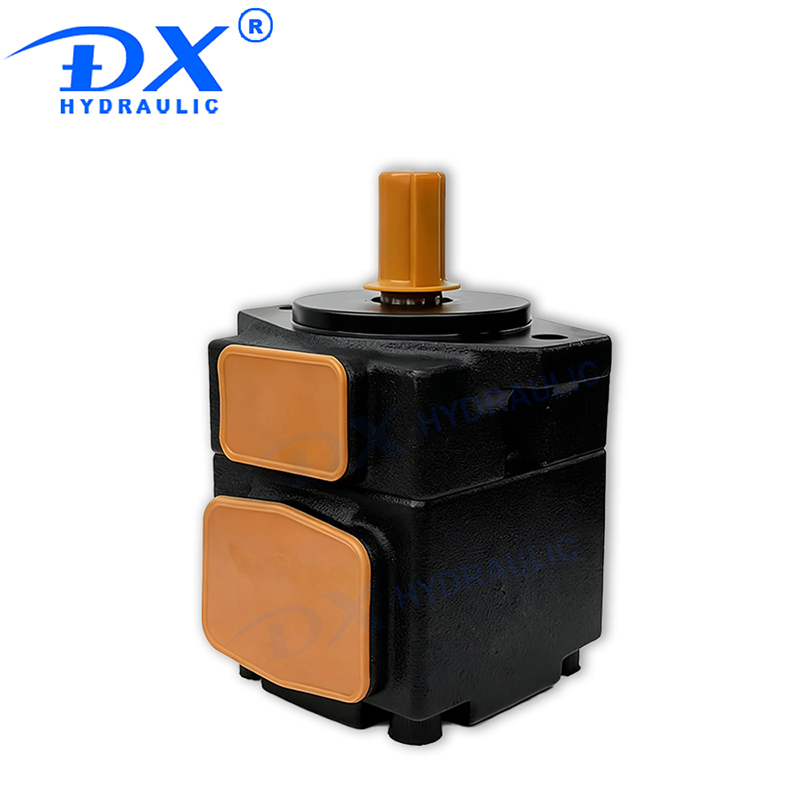
This design allows the YB-E Series Vane Pump to provide a smooth, continuous flow of fluid, with minimal pulsation. The pump is capable of maintaining consistent pressure and flow rates, making it suitable for applications where precise and reliable fluid movement is required. This function is critical in hydraulic systems, where constant pressure is necessary to drive machinery or actuate cylinders, and in lubrication systems, where adequate oil flow is needed to prevent wear and tear on components.
What are the key design features of the YB-E Series Vane Pump?
The YB-E Series Vane Pump is designed for durability and efficiency, with several key features that contribute to its performance.
- Vane Design: The distinctive feature of the YB-E Series Vane Pump is its rotor with sliding vanes. These vanes are typically made of high-strength materials, such as carbon or steel, designed to withstand wear and abrasion. The vanes move in and out of the rotor as it spins, creating chambers that expand and contract, which helps to move the fluid smoothly and efficiently.
- Compact and Robust Construction: The YB-E Series pumps are known for their compact size, making them ideal for applications where space is limited. Despite their size, these pumps are designed to handle high pressures and maintain performance over long operational lifecycles. The pumps often feature reinforced casings that can withstand the mechanical stresses caused by fluid flow and pressure.
- Variable Displacement: Some models in the YB-E Series feature variable displacement capabilities, allowing the pump to adjust the fluid flow based on the system's requirements. This feature is especially useful in systems where varying flow rates are needed for different operational conditions.
- Quiet Operation: The design of the vane pump helps to reduce noise levels during operation. The vanes' smooth movement inside the pump casing helps minimize mechanical friction and vibration, contributing to quieter performance, which is essential in applications that require low noise levels.
- Corrosion-Resistant Materials: The pump housing and internal components are often made of corrosion-resistant materials such as stainless steel or coated alloys, ensuring the pump's longevity even when exposed to harsh fluids or environments.
What are the common applications of the YB-E Series Vane Pump?
The YB-E Series Vane Pump is used in various industries that require reliable fluid transfer and pressure maintenance. Some of the common applications include:
Hydraulic Systems: The YB-E Series Vane Pump is widely used in hydraulic systems, where it is essential to provide a steady and consistent flow of hydraulic fluid to drive cylinders, motors, and other equipment. The pump's ability to deliver reliable pressure makes it a crucial component in construction machinery, agricultural equipment, and industrial automation.
Lubrication Systems: The pump is commonly used in lubrication systems to circulate oil throughout machinery, ensuring that components are adequately lubricated to reduce friction and wear. It is often found in automotive, manufacturing, and heavy-duty industrial equipment that requires continuous lubrication.
Fuel Transfer: In fuel systems, particularly for vehicles and engines, the YB-E Series Vane Pump is used to move fuel from tanks to the engine or other fuel-receiving systems. Its ability to maintain consistent flow rates is crucial for engine performance and fuel efficiency.
Water Circulation and Fluid Transfer: The pump can be used in various water circulation systems, including those in refrigeration, HVAC systems, and water treatment facilities. Its capability to handle a wide range of fluid types makes it versatile for different fluid transfer tasks, including clean and contaminated fluids.
High-Pressure Applications: The YB-E Series Vane Pump's capacity for handling high pressure makes it suitable for applications requiring sustained pressure, such as in testing equipment, high-pressure cleaning systems, and certain medical devices.
What maintenance is required for the YB-E Series Vane Pump?
Maintaining a YB-E Series Vane Pump is crucial to ensure its continued efficiency and reliability. Regular maintenance helps prevent issues such as wear, leaks, and system failures. The following maintenance steps are typically recommended:
Lubrication and Fluid Levels: Since the pump relies on the proper lubrication of its moving parts, checking the fluid levels and ensuring that the system is filled with the appropriate fluid is essential. Insufficient lubrication can cause wear on the vanes and rotor, reduced performance or failure.
- Checking for Wear: The vanes and rotor are subject to wear over time, especially in high-pressure applications. It is essential to inspect these components periodically for signs of damage, such as grooves, cracks, or thinning. If wear is evident, replacement parts should be installed to prevent further damage.
- Filter Maintenance: The YB-E Series Vane Pump often operates in systems with fluid filters. It is important to regularly check and clean or replace these filters to prevent debris from entering the pump, which could cause blockages or wear on the internal components.
- Seals and Gaskets: Over time, seals and gaskets can degrade, leaks in the pump or loss of pressure. Regular inspection of seals and gaskets is crucial to detect any potential leaks and ensure that the pump operates efficiently.
- System Pressure Checks: Monitoring the system's pressure levels ensures that the pump is operating within its specified range. Abnormal pressure fluctuations could indicate problems with the pump or the system, requiring inspection and possible adjustments.
Cleaning: Regular cleaning of the pump housing and components helps to remove any accumulated dirt, debris, or residue that may interfere with the pump's operation. Proper cleaning also helps prevent corrosion and wear on the exterior of the pump.
