 Search
The YB-D series vane pump is a type of hydraulic pump widely used in industrial and mobile hydraulic systems. Its design allows it to generate hydraulic pressure and flow efficiently, supporting a variety of machinery and equipment. One important factor influencing the performance and durability of YB-D vane pumps is the materials used in their construction. Different materials are chosen based on the intended operating conditions, including pressure, temperature, fluid type, and environmental factors.
Aluminum Alloys
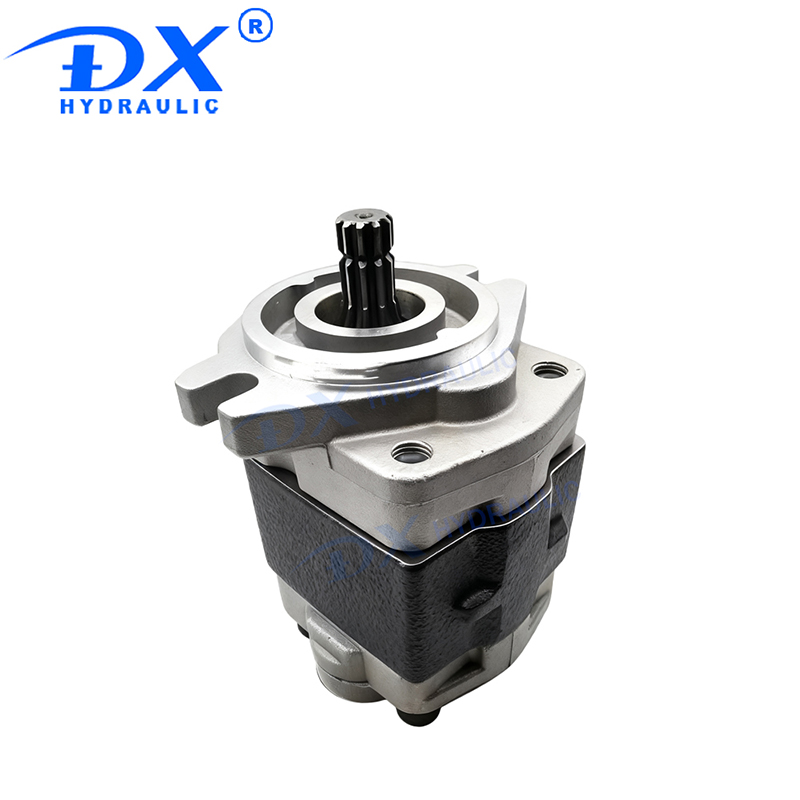
Aluminum alloys are commonly used in the construction of YB-D series vane pump housings and end covers. Aluminum provides a balance of lightweight properties, corrosion resistance, and adequate strength for moderate-pressure hydraulic systems. The light weight of aluminum reduces the overall mass of the pump, making it easier to handle and install, and reduces the rotational inertia in high-speed applications.
Aluminum housings also help in heat dissipation. During operation, hydraulic pumps generate heat due to fluid friction and pressure. Aluminum's thermal conductivity allows for efficient heat transfer, which helps maintain stable operating temperatures and protects the internal components from overheating.
However, aluminum is less durable under pressure or impact conditions compared to steel. In applications where high pressures or heavy loads are common, aluminum housings may require thicker walls or reinforcement to prevent deformation. Despite this, aluminum remains a practical choice for many industrial and mobile hydraulic systems due to its balance of weight, cost, and corrosion resistance.
Cast Iron
Cast iron is another material frequently used in YB-D vane pump construction, especially for housings and rotors in heavy-duty applications. Cast iron is known for its strength, rigidity, and wear resistance, making it suitable for high-pressure hydraulic systems.
One of the advantages of cast iron is its ability to withstand mechanical stress and vibration without deforming. This makes cast iron pumps suitable for applications where the pump may be subjected to fluctuating loads or harsh operating environments. Cast iron also provides good damping properties, which reduces vibration and noise during pump operation.
On the downside, cast iron is heavier than aluminum, which can increase the overall weight of the pump. It also has lower thermal conductivity, so additional measures may be needed for heat dissipation in high-temperature applications. Cast iron is generally preferred when strength and durability are prioritized over weight reduction.
Steel and Alloy Steels
Steel and alloy steels are commonly used for key internal components of the YB-D series vane pump, such as the rotor, vanes, shafts, and bearings. These components are subject to continuous friction and mechanical stress, so the choice of steel ensures durability and resistance to wear.
Alloy steels are often heat-treated to improve hardness and fatigue resistance. Hardened steel vanes can maintain close tolerances with the rotor and cam ring, which is essential for maintaining efficiency and internal leakage. Steel shafts and bearings provide structural stability, supporting precise rotation even under heavy loads.
Compared to aluminum and cast iron, steel offers strength for moving components but requires proper lubrication and protection against corrosion. The combination of steel for internal parts and aluminum or cast iron for the housing is a common design approach to balance strength, weight, and cost.
Differences Between Materials
The choice of material in YB-D vane pumps affects several aspects of pump performance, including weight, durability, heat dissipation, and cost. Aluminum is lightweight, corrosion-resistant, and thermally conductive, making it suitable for moderate-pressure systems and applications where weight reduction is desired. Cast iron is strong and wear-resistant, suitable for heavy-duty and high-pressure systems, but it is heavier and less thermally conductive. Steel and alloy steel are used for internal components requiring high strength, hardness, and fatigue resistance, ensuring long-term reliability under mechanical stress.
The combination of these materials in a single pump allows manufacturers to optimize performance. Aluminum or cast iron housings provide structural support, while steel components maintain precision and durability. Understanding the differences between these materials helps users select YB-D vane pumps suitable for specific operating conditions, balancing performance, durability, and efficiency.
