
 Search
Vane pumps are a common type of positive displacement pump used in numerous applications, from power steering systems in automobiles to hydraulic systems in industrial machinery and fuel transfer operations. Their operation relies on a simple yet effective principle: a slotted rotor is rotated within a larger cavity, and vanes that fit into these slots are pushed outward against the pump housing by centrifugal force and, in many designs, by fluid pressure. This creates expanding and contracting chambers that draw fluid in and push it out. The effectiveness, durability, and chemical compatibility of a vane pump depend critically on the materials from which its components are manufactured. The selection of these materials involves balancing requirements for strength, wear resistance, friction characteristics, and resistance to the fluid being pumped.
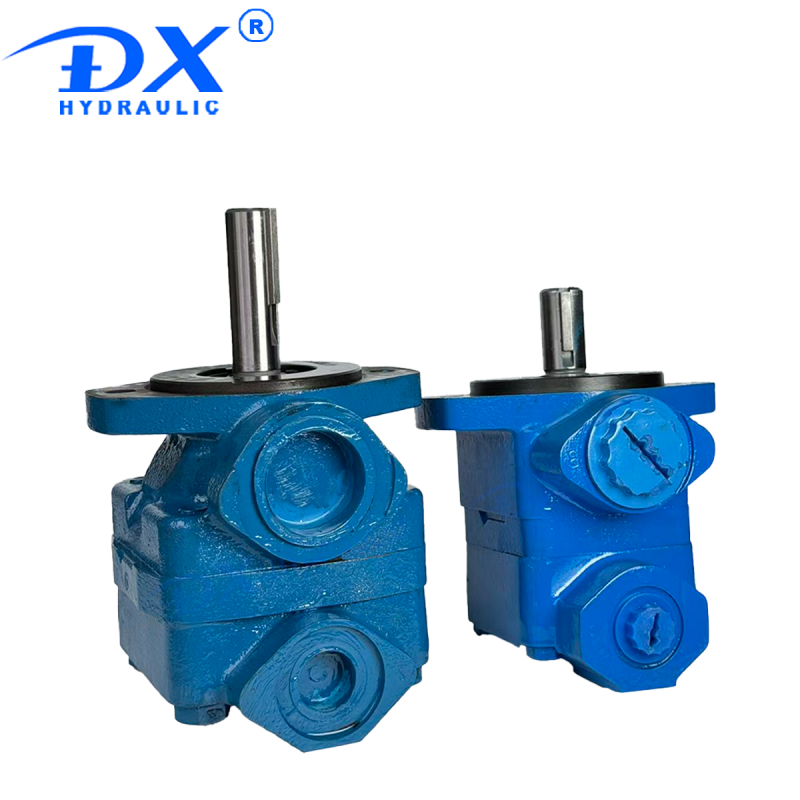
The Pump Housing: Containing the Pressure
The housing forms the outer body of the pump, containing the internal components and withstanding the operating pressures. The material choice for the housing is primarily determined by the application's pressure requirements and the type of fluid being handled.
Cast Iron: This is a prevalent material for vane pump housings in many industrial and mobile hydraulic applications. Cast iron, such as grey iron or ductile iron, offers strength and rigidity to contain high operating pressures. It also provides good vibration damping characteristics and is relatively economical for complex shapes produced through casting. Its wear resistance is also beneficial in the areas where the vanes or rotor might make contact.
Aluminum Alloys: In applications where weight reduction is a priority, such as in automotive power steering pumps or aerospace applications, aluminum alloys are frequently used. Aluminum housings are significantly lighter than cast iron. They are typically produced through die-casting processes, allowing for precise and complex geometries. Aluminum also offers good corrosion resistance, which is advantageous when pumping fluids that may contain water or when the pump is exposed to the elements. However, aluminum housings are generally used in lower to medium pressure ranges compared to cast iron.
Stainless Steel and Other Alloys: For specialized applications involving highly corrosive fluids, such as in chemical processing or marine environments, pump housings may be constructed from stainless steel or other corrosion-resistant alloys like bronze. These materials provide the necessary chemical inertness to prevent degradation of the pump and contamination of the fluid. They are, however, more expensive and can be more difficult to machine.
The Rotor: The Driving Force
The rotor is the central rotating component that drives the vanes. It is subjected to torsional stresses from the drive shaft and must maintain precise slots for the vanes to slide in and out smoothly.
Powdered Metal Steel: A very common material for rotors in high-volume production vane pumps is powdered metal steel. This manufacturing process involves compressing metal powder in a die and then sintering it to form a solid part. It allows for the creation of the complex rotor shape, including the precise vane slots, with minimal machining. The material can be engineered to have good strength and wear resistance.
Carburized and Hardened Steel: In higher-pressure or more demanding applications, rotors are often machined from solid bar stock or forgings of steel, such as 8620 or similar alloys. These rotors are then case-hardened through a carburizing process. This creates a hard, wear-resistant outer surface on the vane slots and bearing surfaces while maintaining a tougher, more ductile core to withstand and torsional loads.
Cast Iron: Some rotor designs, particularly in larger pumps, may utilize high-strength cast iron. It offers good wear properties and can be cast near-net shape, reducing machining requirements.
The Vanes: The Heart of the Pump
The vanes are arguably the critical components, as they must seal against the housing (cam ring) while sliding in and out of the rotor slots thousands of times per minute. Their material must exhibit low friction, high wear resistance, and sufficient strength to withstand the pressure differential across them.
Carbon-Graphite: In applications involving non-lubricating fluids, such as gasoline, solvents, or water, carbon-graphite is a common vane material. It has self-lubricating properties, meaning it can run against the metal housing without the fluid providing lubrication. It is also chemically inert and lightweight. Carbon vanes are designed to be sacrificial; they wear slightly over time, maintaining a close seal with the housing, but they are relatively easy and inexpensive to replace.
Ductile Iron: In hydraulic systems using oil, which provides lubrication, vanes are often made from ductile (nodular) cast iron. This material offers high strength and good wear resistance when running against a hardened steel or cast iron cam ring under lubricated conditions. The microstructure of ductile iron provides inherent lubricity.
Steel Alloys: Various steel alloys, often with surface treatments, are also used for vanes. Some designs use case-hardened steel for the vanes. Others may use high-speed tool steels for their exceptional wear resistance and hot hardness in demanding applications. In some pumps, the vanes are made of a softer material than the cam ring to ensure that wear occurs on the more easily replaceable vanes rather than the more expensive housing.
The Cam Ring (or Liner): Defining the Pump Chamber
The cam ring, also known as the liner or ring, is the inner surface against which the vanes ride. Its internal profile determines the pumping characteristics.
Hardened Steel: For high-pressure hydraulic pumps, the cam ring is always made from a wear-resistant steel alloy that has been through-hardened or case-hardened. It must provide a hard, smooth surface to resist the sliding and scuffing action of the vanes. Common materials include tool steels or carburizing grades like 4620 or 5120.
Wear-Resistant Cast Iron: In some medium-pressure designs, a high-alloy, wear-resistant cast iron may be used for the cam ring. It offers good bearing properties and can be cast to the required internal shape.
Coated Materials: Some advanced cam rings may utilize specialized coatings, applied through processes like physical vapor deposition (PVD), to further enhance wear resistance and reduce friction. Coatings such as titanium nitride (TiN) or diamond-like carbon (DLC) can be found in high-performance pumps.
Other Components: Seals, Bushings, and Shafts
The remaining components of a vane pump also rely on specific material choices.
Drive Shafts: These are typically made from high-strength steel alloys, often with ground and polished bearing surfaces. They must transmit the torque from the prime mover to the rotor without excessive deflection.
Bushings and Bearings: To support the rotor shaft, many vane pumps use sintered bronze bushings, which are porous and can retain oil for lubrication. In some designs, needle or ball bearings made from hardened steel are used.
Seals: Seals prevent fluid from leaking out of the pump along the shaft. They are typically made from elastomeric materials like nitrile rubber (Buna-N), Viton (fluorocarbon), or PTFE (Teflon), chosen for their compatibility with the fluid and the operating temperature range. O-rings, used to seal the housing joints, are made from similar materials.
