
 Search
Hydraulic vane pumps are commonly used in industrial and mobile hydraulic systems to provide a consistent flow of hydraulic fluid. They operate on the principle of a rotating vane mechanism that creates variable-volume chambers to draw in, compress, and discharge fluid. Their design emphasizes moderate efficiency, smooth operation, and adaptability to a range of system pressures.
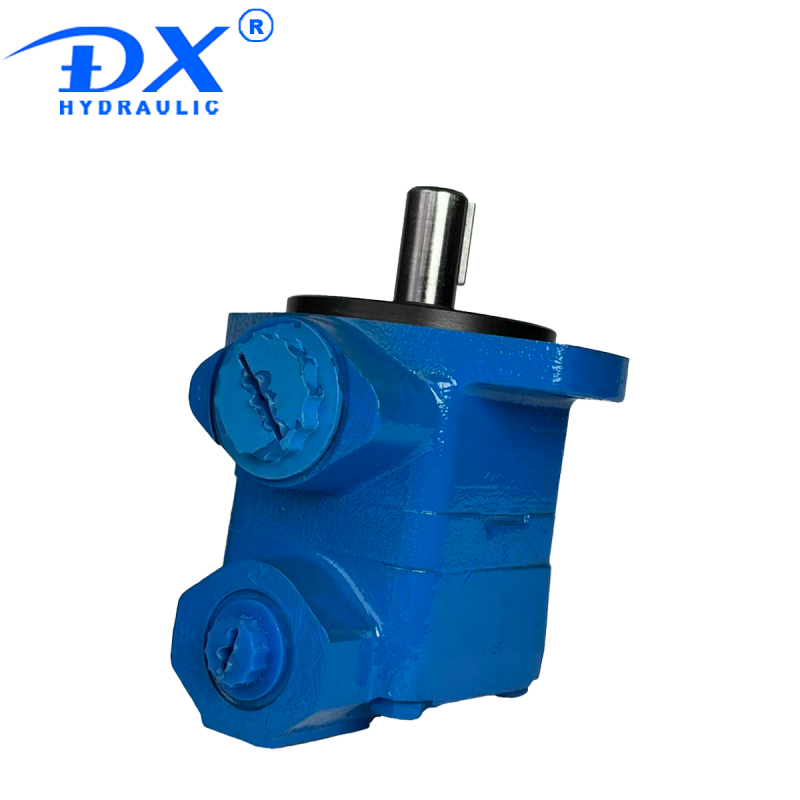
Hydraulic Vane Pump: Structure and Working Principle
Hydraulic vane pumps consist of a rotor, multiple sliding vanes, a cam ring, and a housing.
Rotor and Vanes: The rotor is centrally mounted and rotates within the cam ring. Radially slotted vanes slide in and out to maintain contact with the cam surface, forming chambers that vary in volume as the rotor turns.
Cam Ring: The cam ring defines the eccentric path of the rotor and ensures the vanes maintain contact while generating the suction and discharge effect.
Housing: The pump housing contains the rotor and cam ring, providing support and a fluid-tight environment. Ports in the housing allow fluid to enter and exit the chambers.
The rotation of the vanes reduces the volume on the discharge side, creating pressure that moves hydraulic fluid into the system. The vane mechanism allows smooth and continuous flow, even under varying system pressures.
Hydraulic Vane Pump: Operational Features
Hydraulic vane pumps are used for a range of moderate-pressure applications due to their efficiency and reliability.
Flow and Pressure Control: Some vane pumps are designed with adjustable displacement to vary flow rate according to system needs.
Noise Characteristics: They generally operate more quietly than gear pumps because the vane action produces less fluid pulsation.
Compatibility: Vane pumps can use a variety of hydraulic fluids, though proper lubrication and fluid cleanliness are essential.
These operational features make vane pumps suitable for industrial presses, hydraulic lifts, and mobile equipment that requires consistent flow without pressure demands.
The Problems with Hydraulic Vane Pumps
Despite their advantages, hydraulic vane pumps have limitations and potential issues.
Wear and Component Fatigue: Vanes and cam rings are subject to wear over time, particularly in systems with contaminated fluid or high operating temperatures. Wear can reduce volumetric efficiency.
Fluid Sensitivity: Contaminated or low-quality hydraulic fluids can damage internal components, accelerate wear, and reduce pump lifespan.
Pressure Limitations: Vane pumps are typically suitable for moderate-pressure applications; attempting to operate at higher pressures may cause leakage or mechanical stress.
Temperature Constraints: Excessive fluid temperatures can affect the vanes, seals, and housing, potentially causing deformation or reduced performance.
Maintenance Requirements: Routine inspection, fluid replacement, and monitoring of vane condition are necessary to prevent efficiency loss and mechanical failure.
Hydraulic vane pumps are versatile components that provide continuous flow in moderate-pressure hydraulic systems. Their design, including sliding vanes, a rotor, and a cam ring, allows for smooth operation and adaptability to different flow requirements. While they are generally reliable, vane pumps are sensitive to fluid quality, operating pressure, and temperature. Maintenance and monitoring are important to prevent wear and maintain efficiency. Understanding both the structural and operational characteristics, along with potential limitations, allows engineers to select appropriate hydraulic vane pumps and optimize system performance.
