 Search
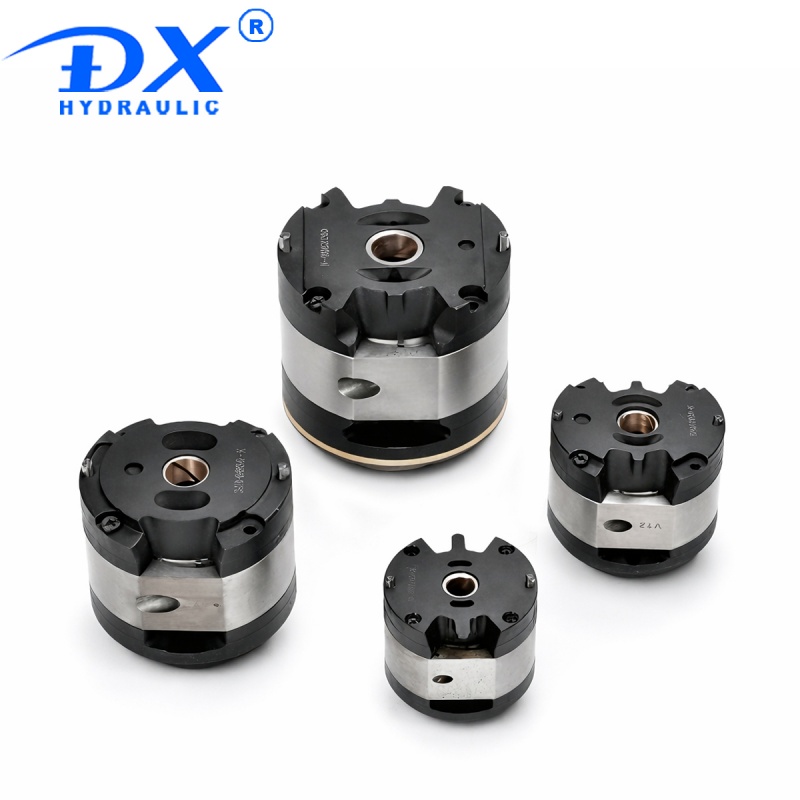
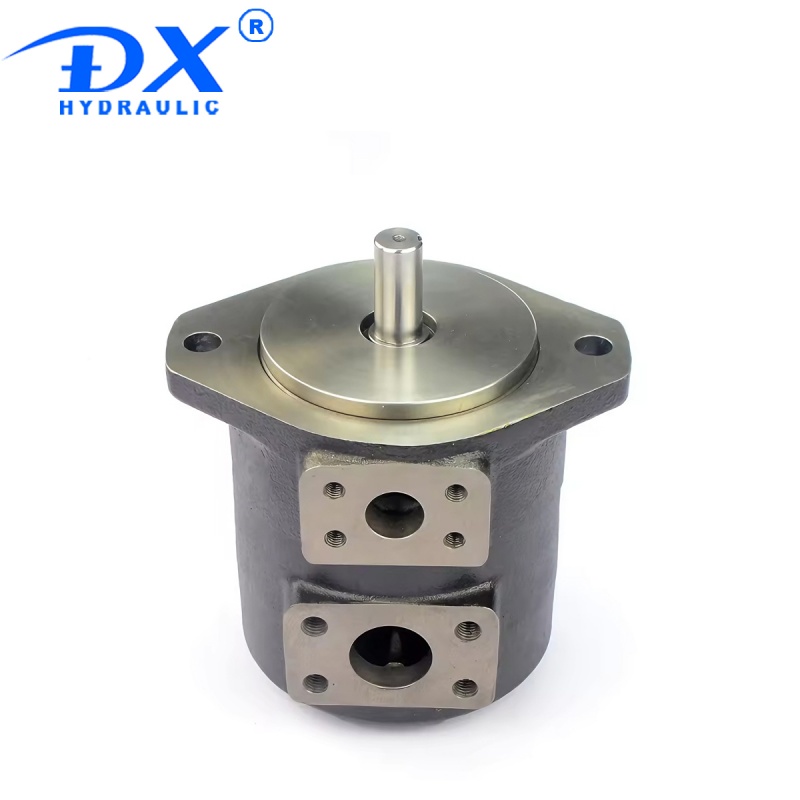
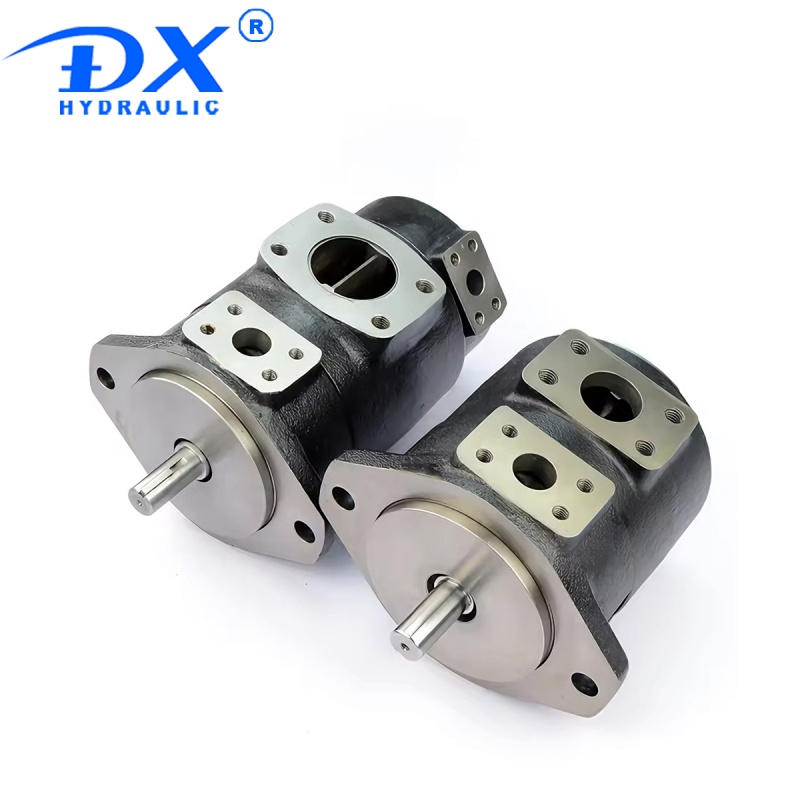
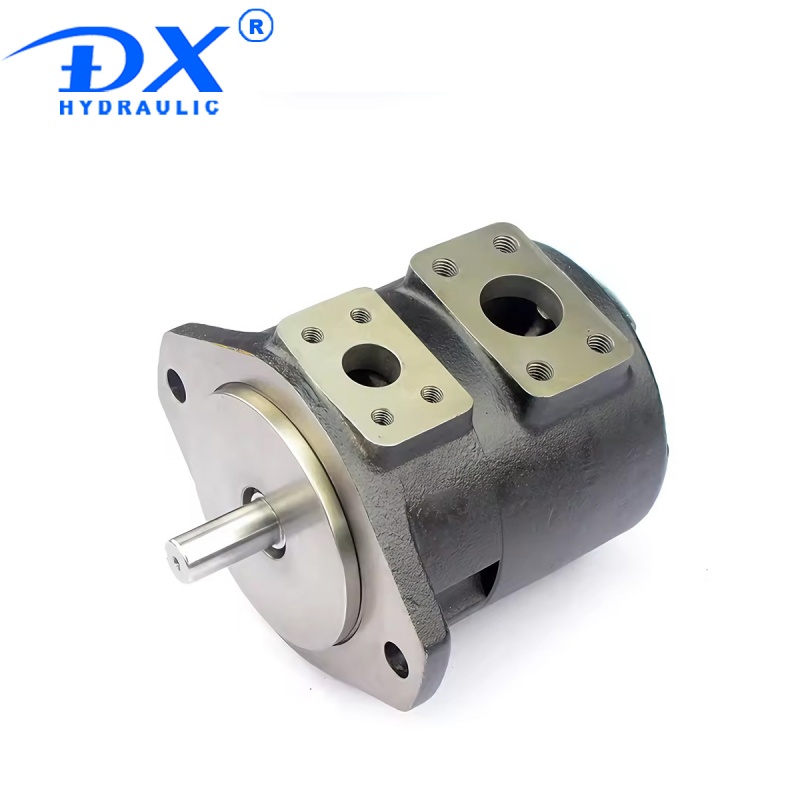
Features:
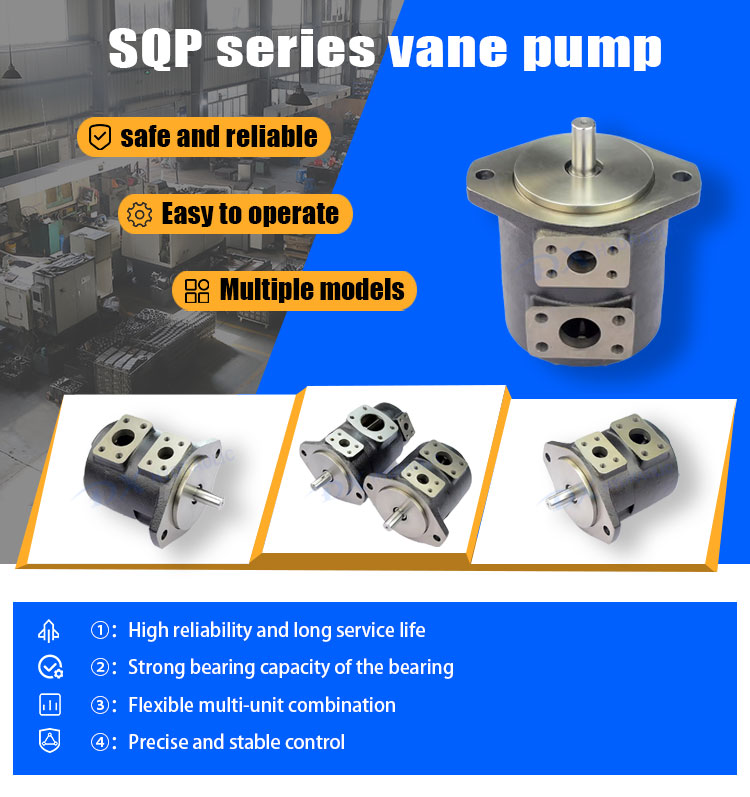
①: High reliability and long service life
②: Strong bearing capacity of the bearing
③: Flexible multi-unit combination
④: Precise and stable control
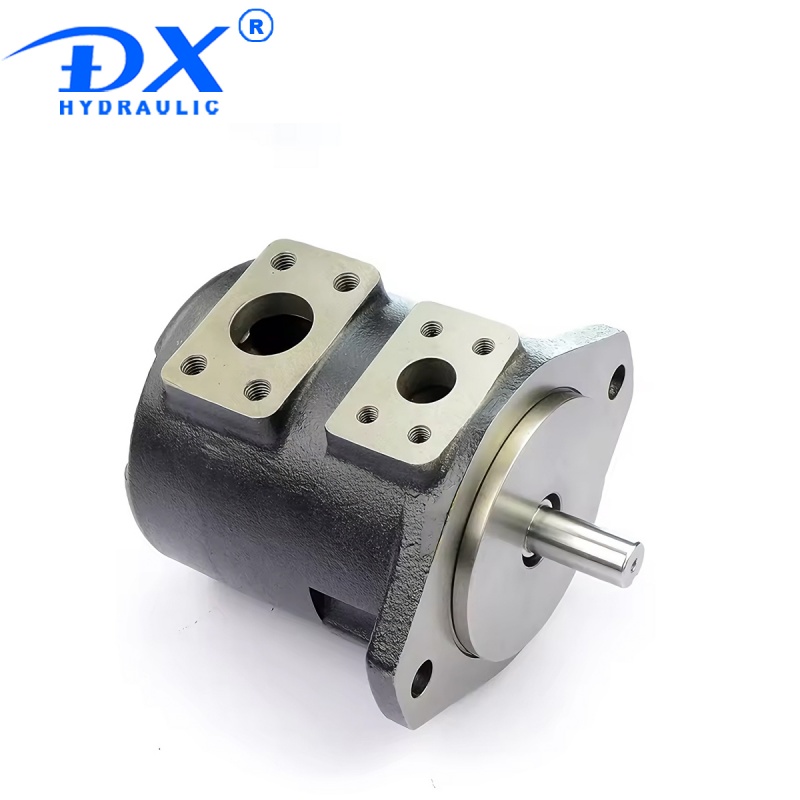
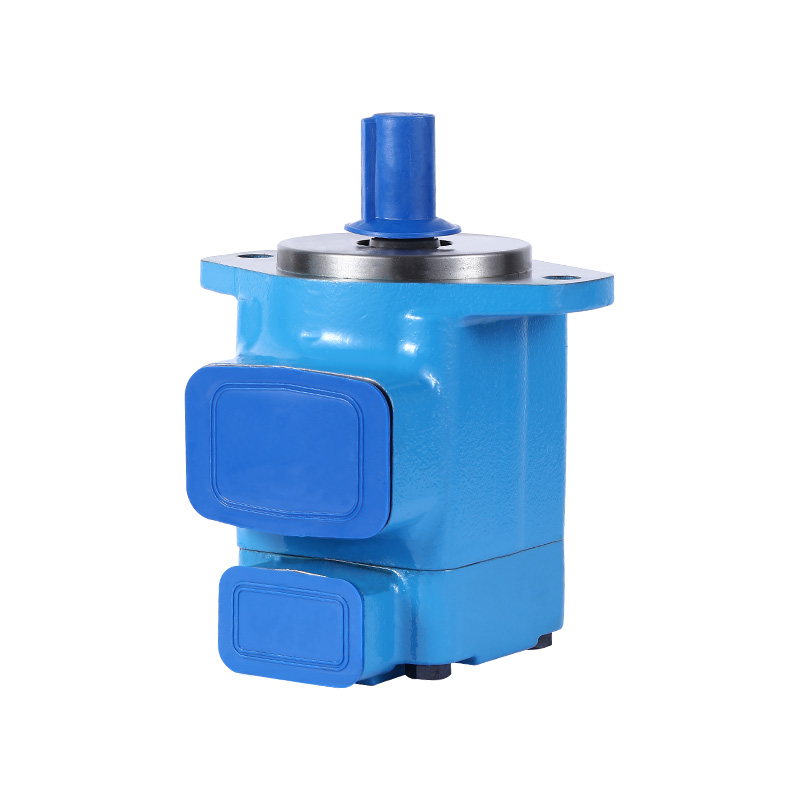
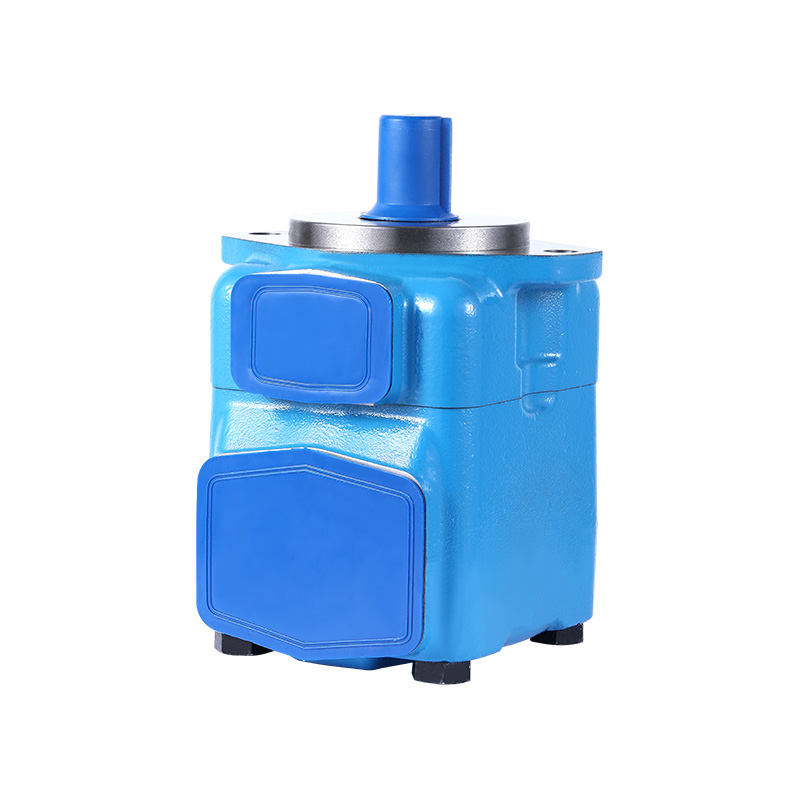
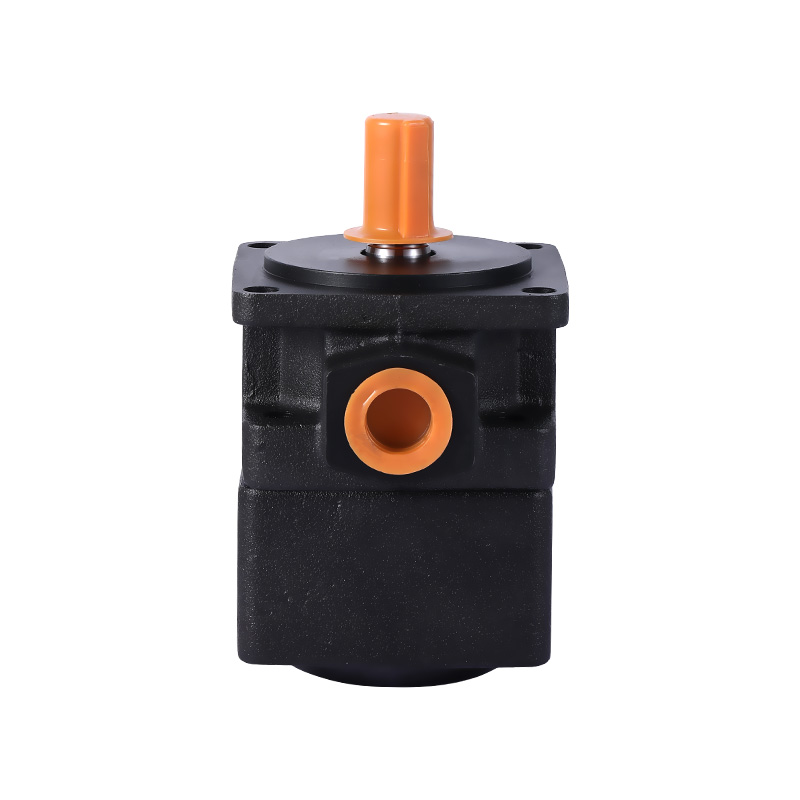
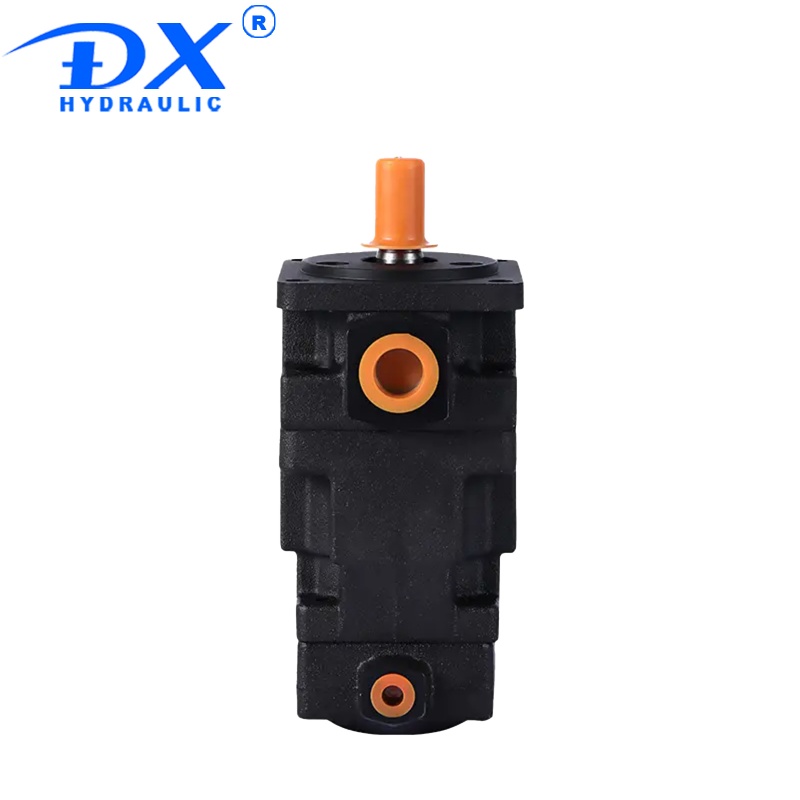
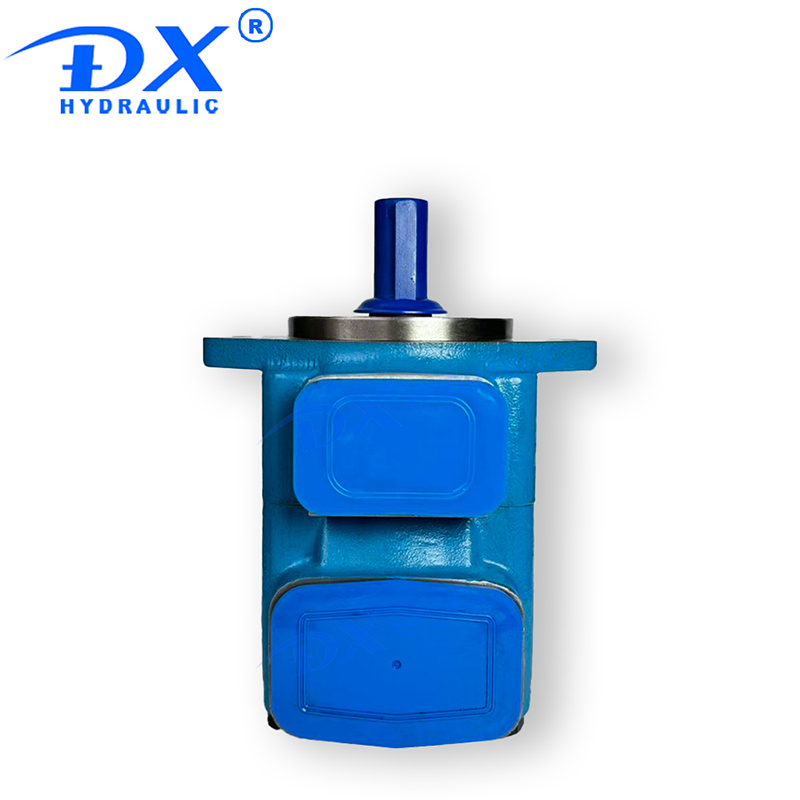
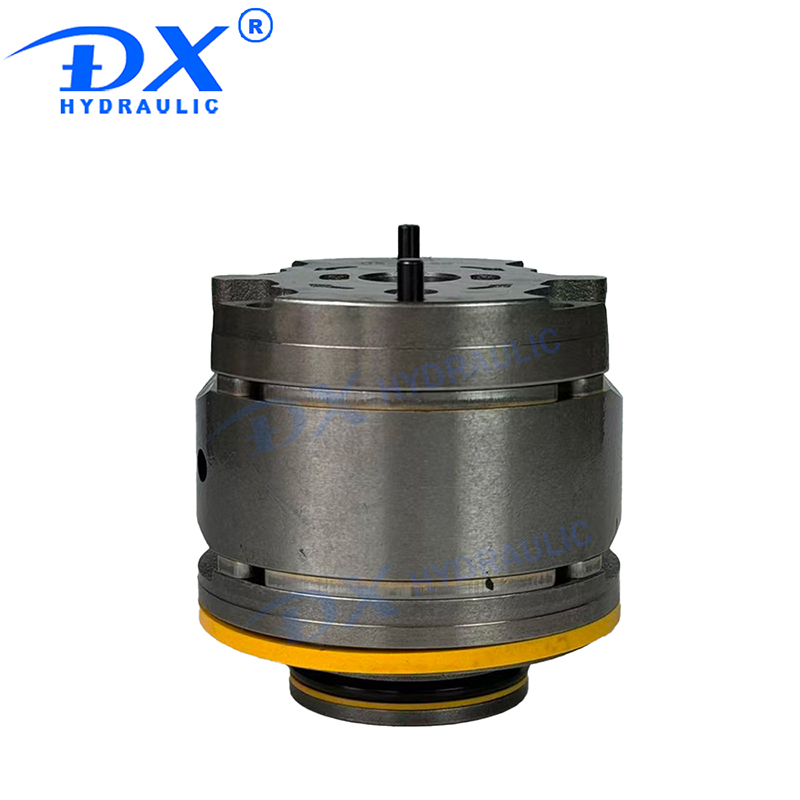
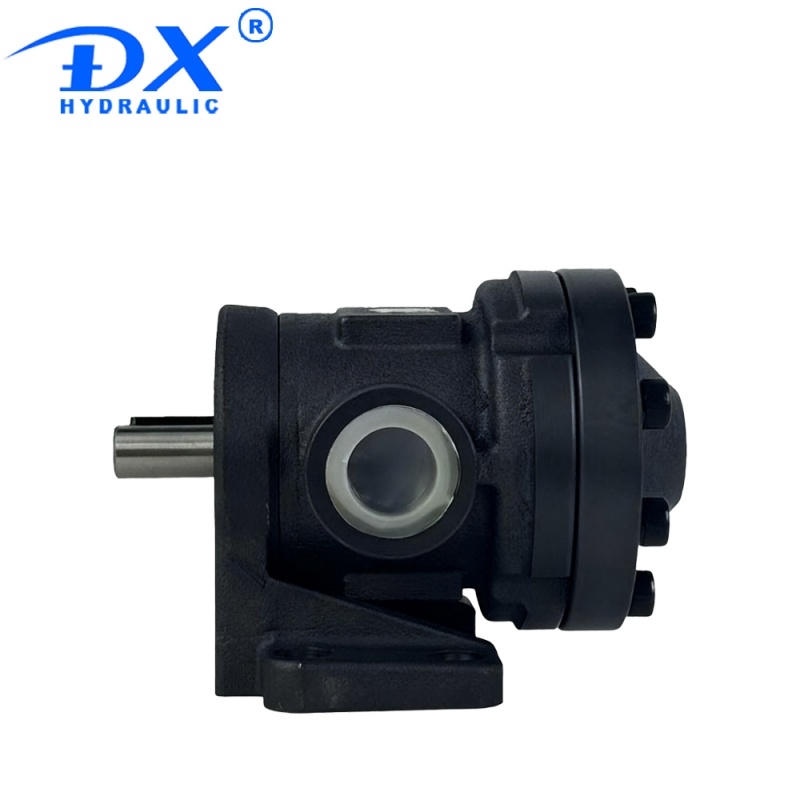
The SQP series vane pump
Cast iron pump body, alloy steel vanes and copper-based valve plate are the standard configuration.
High Pressure and High Performance
From a pressure and performance standpoint, the SQP series vane pump is designed to meet the demands of hydraulic systems that require relatively high operating pressure without sacrificing reliability. In vane pumps of this type, pressure capability is achieved through precise machining of the cam ring, rotor, and vane slots, which helps maintain a stable seal between internal components during operation.
High performance in this context does not refer to maximum output alone, but to the balance between pressure, flow stability, and mechanical efficiency. The SQP series is typically applied in systems where continuous operation is expected, such as machine tools, plastic injection machinery, and general industrial hydraulic units. The balanced vane structure reduces radial loads on the bearings, which supports stable performance over extended periods.
SQP vane pumps are known for delivering smooth flow at rated pressure levels, which contributes to consistent actuator movement and predictable system behavior. This characteristic is particularly relevant in applications where precise control of hydraulic motion is required, such as automated production lines or hydraulic presses.
Flexible Multi-Unit Combination
Flexibility is a defining feature of the SQP series vane pump, especially in systems that require multiple flow sources or staged pressure delivery. These pumps are often designed to support multi-unit combinations, allowing two or more pump sections to be mounted on a single drive shaft. This approach simplifies system layout and reduces the need for multiple prime movers.
Application
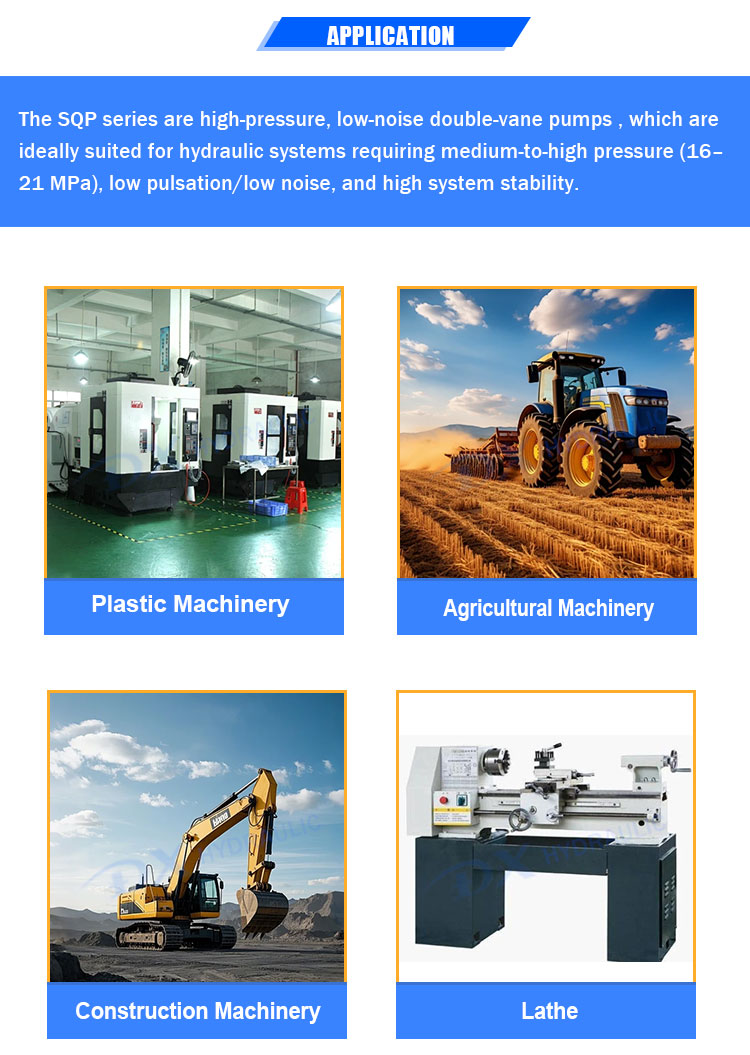
The SQP series are high-pressure, low-noise double-vane pumps, which are ideally suited for hydraulic systems requiring medium-to-high pressure (16-21 MPa), low pulsation/low noise, and high system stability.


 Professional Supplier
 Quality Assurance
 Customization Service
 Competitive Price
