 Search

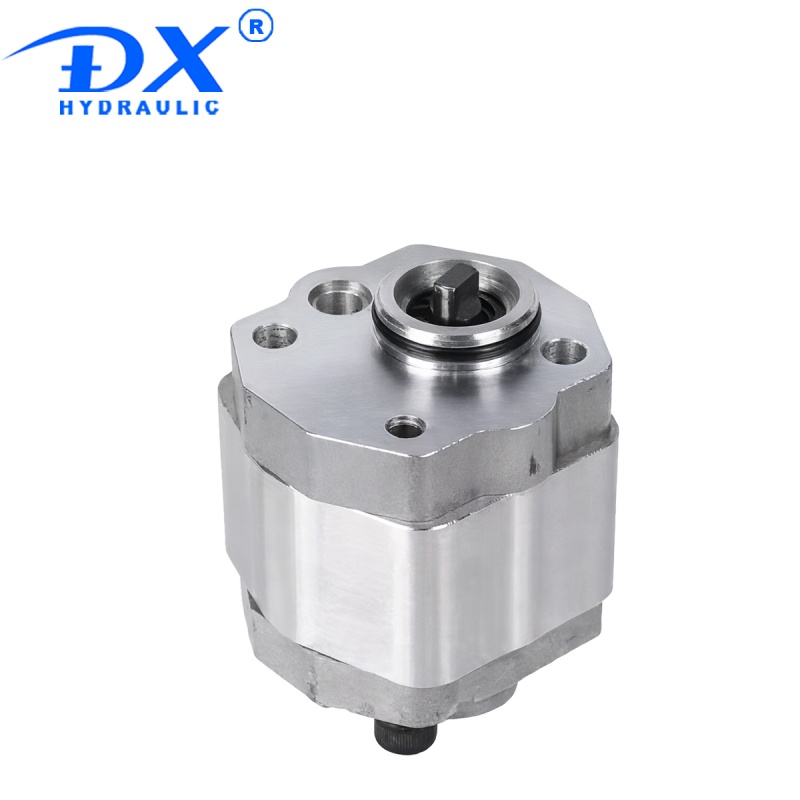
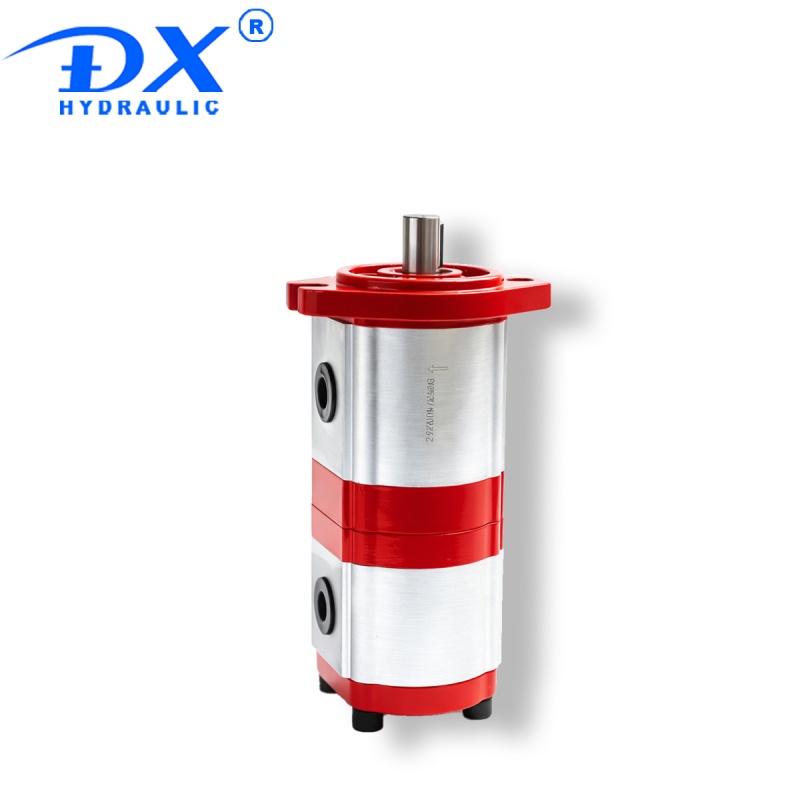
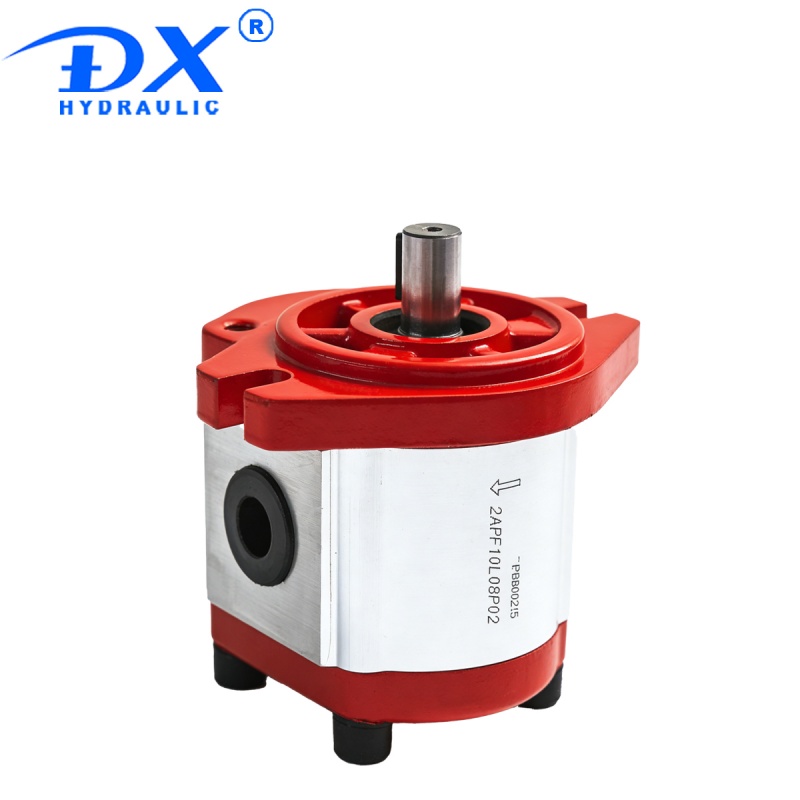
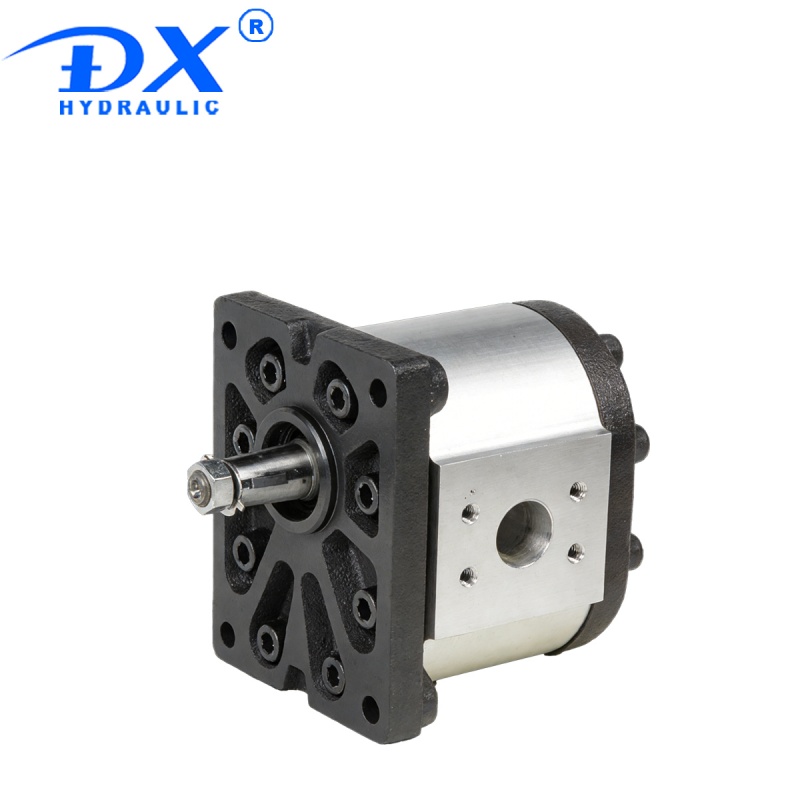
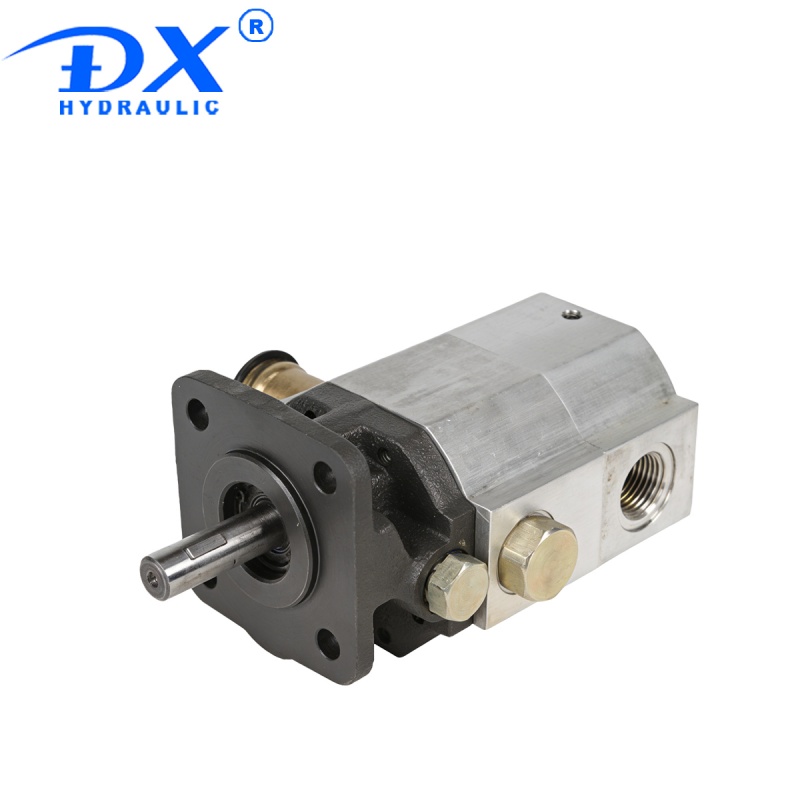
Features
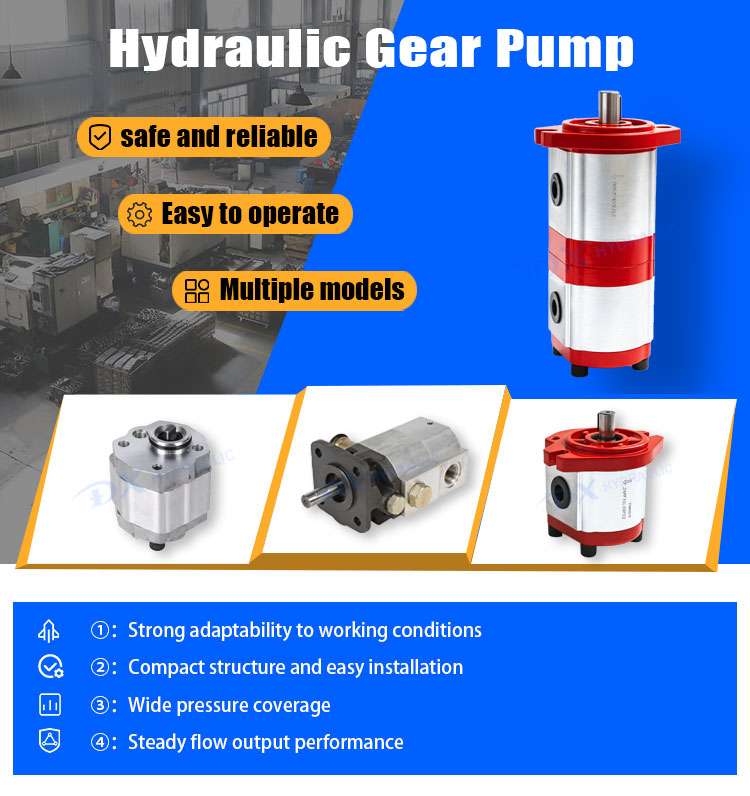
1. Strong Adaptability to Working Conditions
Their adaptability is reflected in their ability to handle variations in load, speed, temperature, and fluid properties without significant loss of efficiency or service life. Modern hydraulic pumps can be configured to match specific operating environments through material selection, sealing systems, and control methods.
Many hydraulic pumps are capable of functioning under continuous high-load conditions as well as frequent start-stop cycles. Variable displacement pumps, for example, automatically adjust output according to system demand, reducing unnecessary energy consumption and heat generation. In harsh environments involving dust, vibration, or fluctuating temperatures, reinforced housings, high-quality bearings, and advanced filtration compatibility help maintain stable operation.
2. Compact Structure and Easy Installation
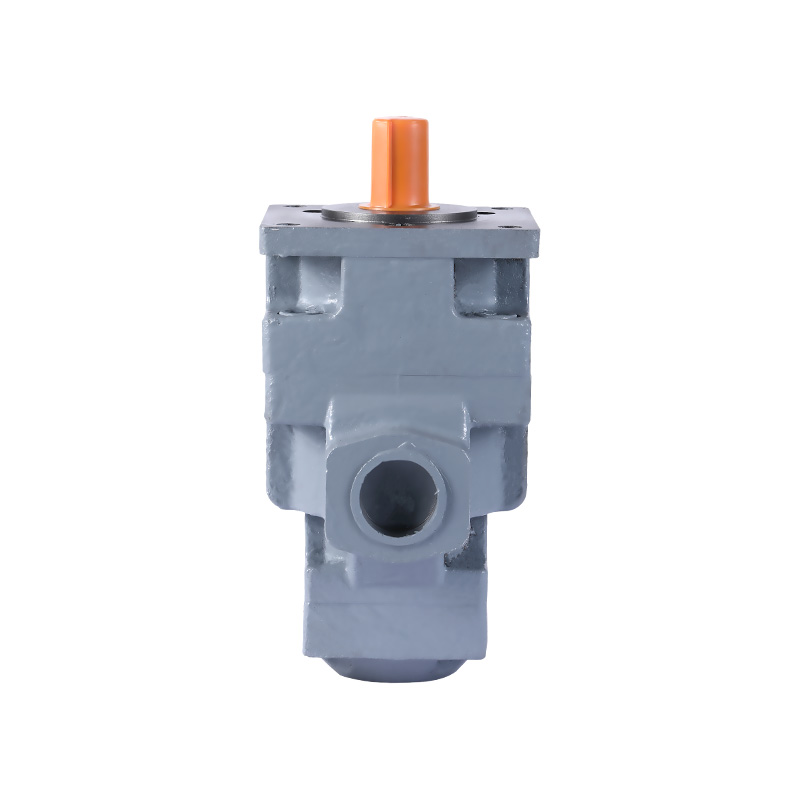
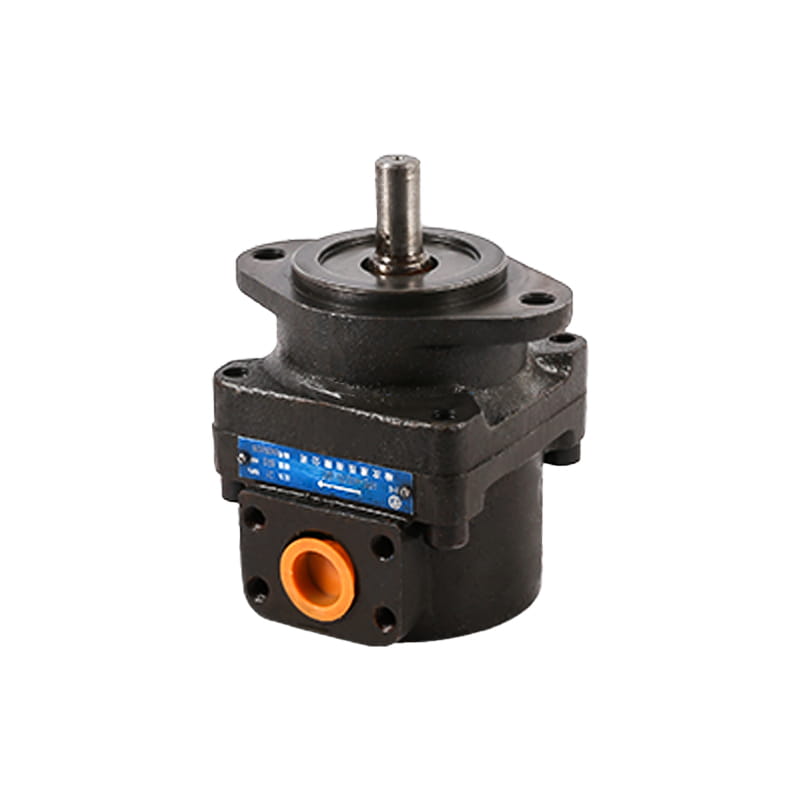
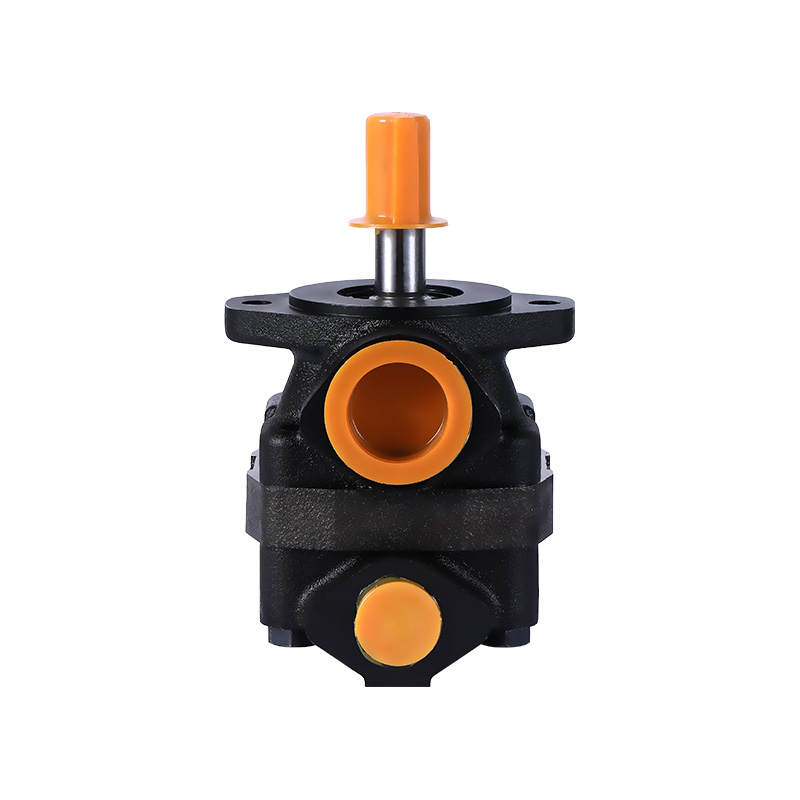
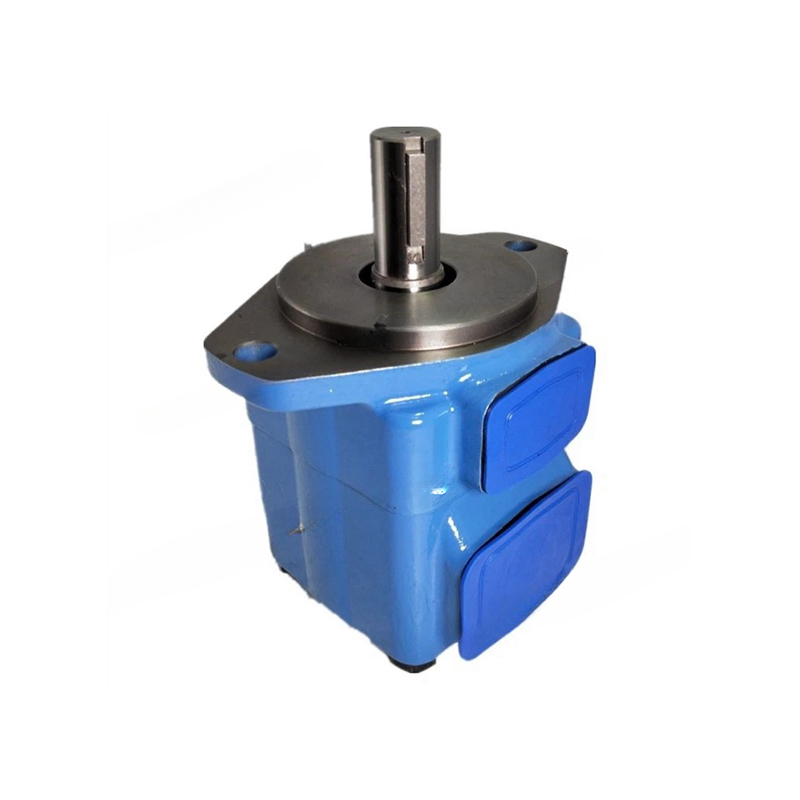
Through optimized internal layouts and integrated component design, hydraulic pumps can deliver high power density while occupying relatively small physical volumes. This compactness makes them particularly suitable for mobile equipment, automated production lines, and modular hydraulic systems where space efficiency directly affects overall system design.
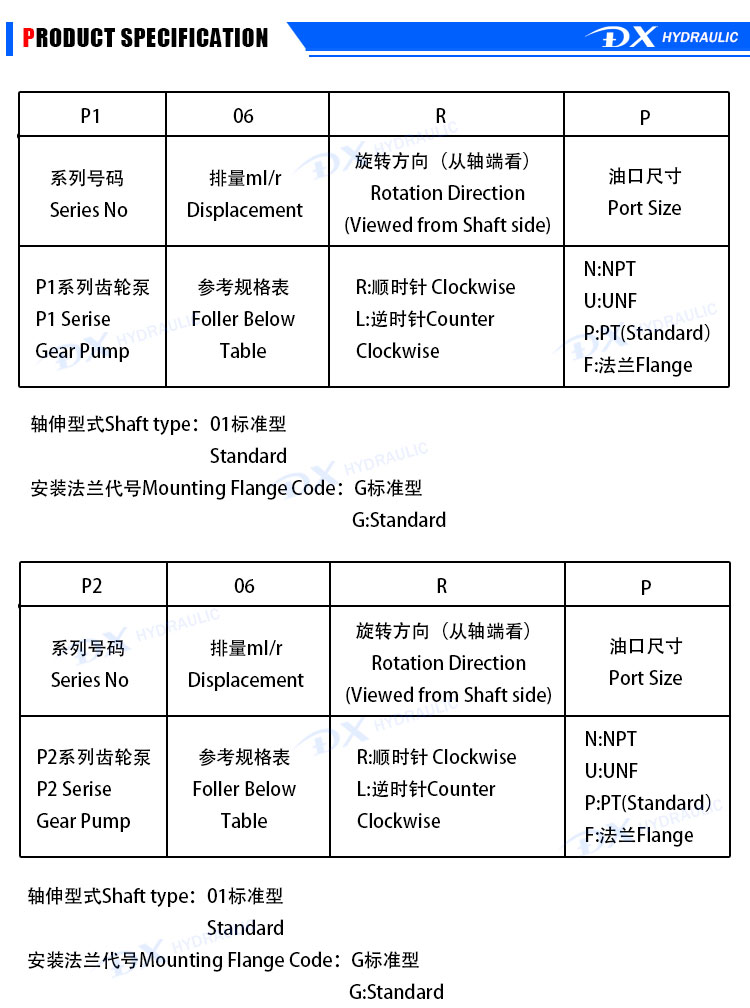
Standardized mounting interfaces, shaft configurations, and port arrangements allow hydraulic pumps to be quickly integrated into existing systems with minimal modification. Many pumps are designed to be flange-mounted or directly coupled to electric motors or engines, reducing alignment complexity and installation time. In addition, simplified piping layouts and reduced auxiliary components help lower the risk of leakage and installation errors.
3. Wide Pressure Coverage
Hydraulic pumps are capable of covering a broad pressure range, which allows them to meet the demands of diverse hydraulic systems. From low-pressure lubrication and cooling circuits to high-pressure power transmission systems, hydraulic pumps can be selected or configured to deliver the required pressure level with precision and reliability. This wide pressure coverage is achieved through different pump types, such as gear pumps for low to medium pressures, vane pumps for stable medium-pressure applications, and piston pumps for high-pressure and high-performance systems.
4. Steady Flow Output Performance
Steady flow output is a fundamental performance characteristic of hydraulic pumps, directly influencing system stability, control accuracy, and operational smoothness. A consistent flow rate ensures uniform actuator movement, reduces vibration, and improves the precision of hydraulic control systems. This is particularly important in applications such as machine tools, automated manufacturing equipment, and precision lifting systems, where fluctuations in flow can lead to product defects or operational inefficiencies.
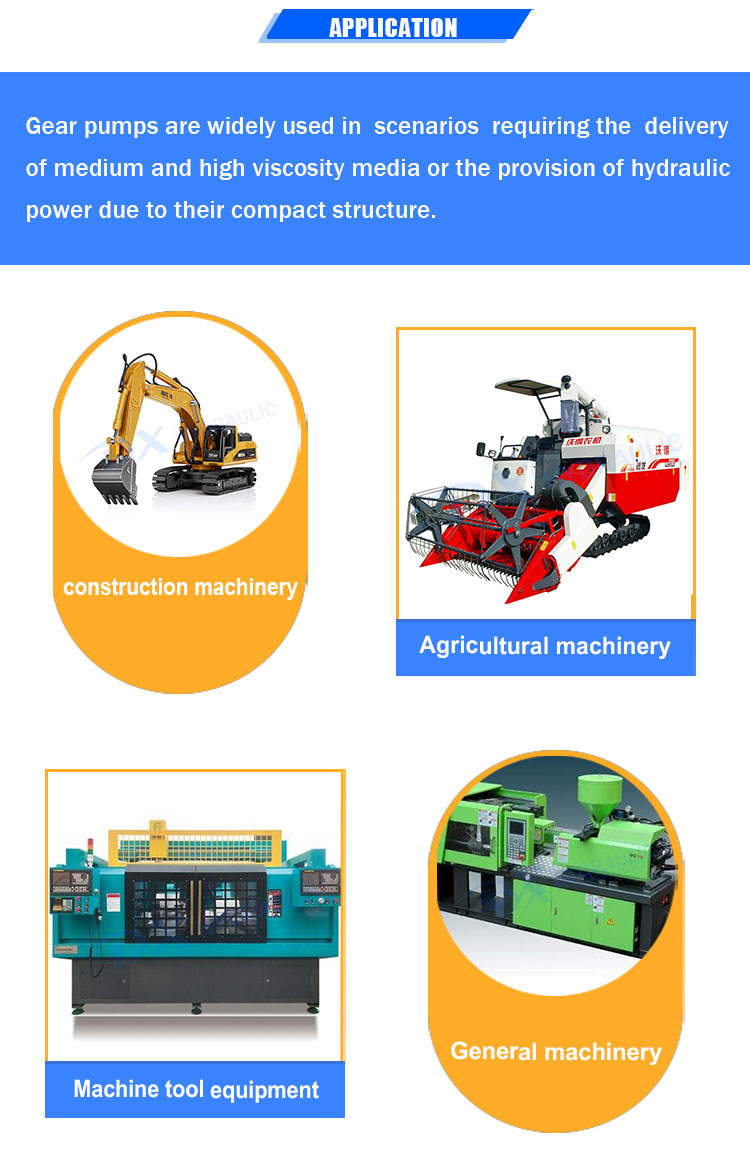
Application
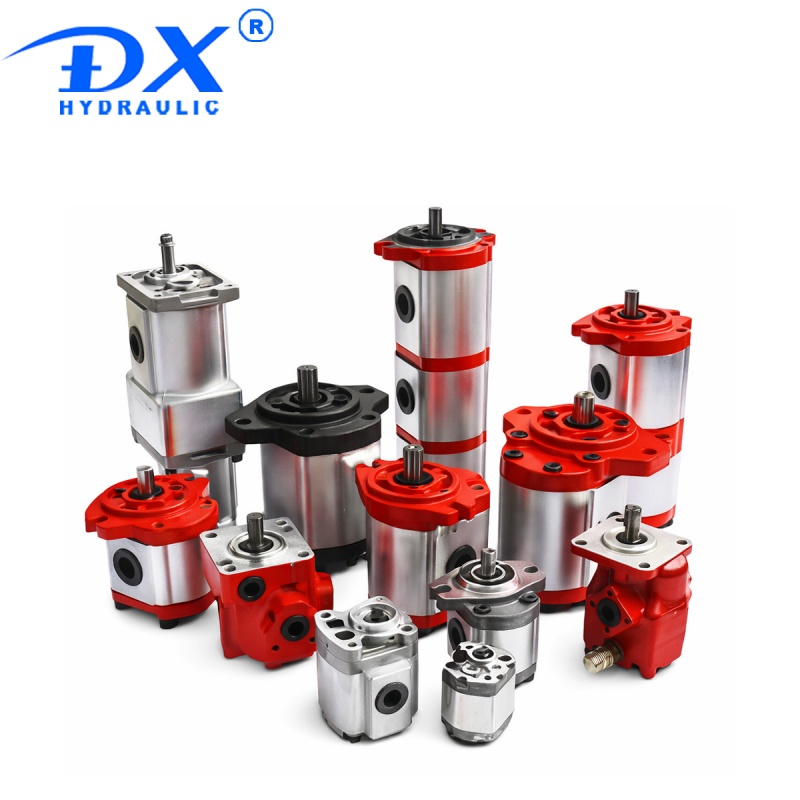
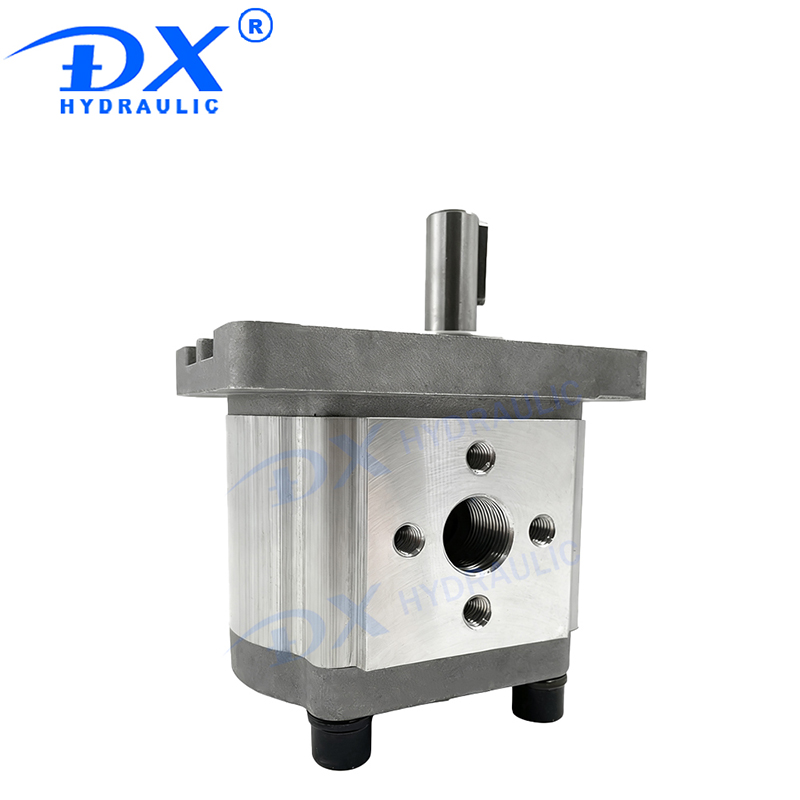
Gear pumps are widely used in scenarios requiring the delivery of medium and high viscosity media or the provision of hydraulic
power due to their compact structure.


 Professional Supplier
 Quality Assurance
 Customization Service
 Competitive Price
